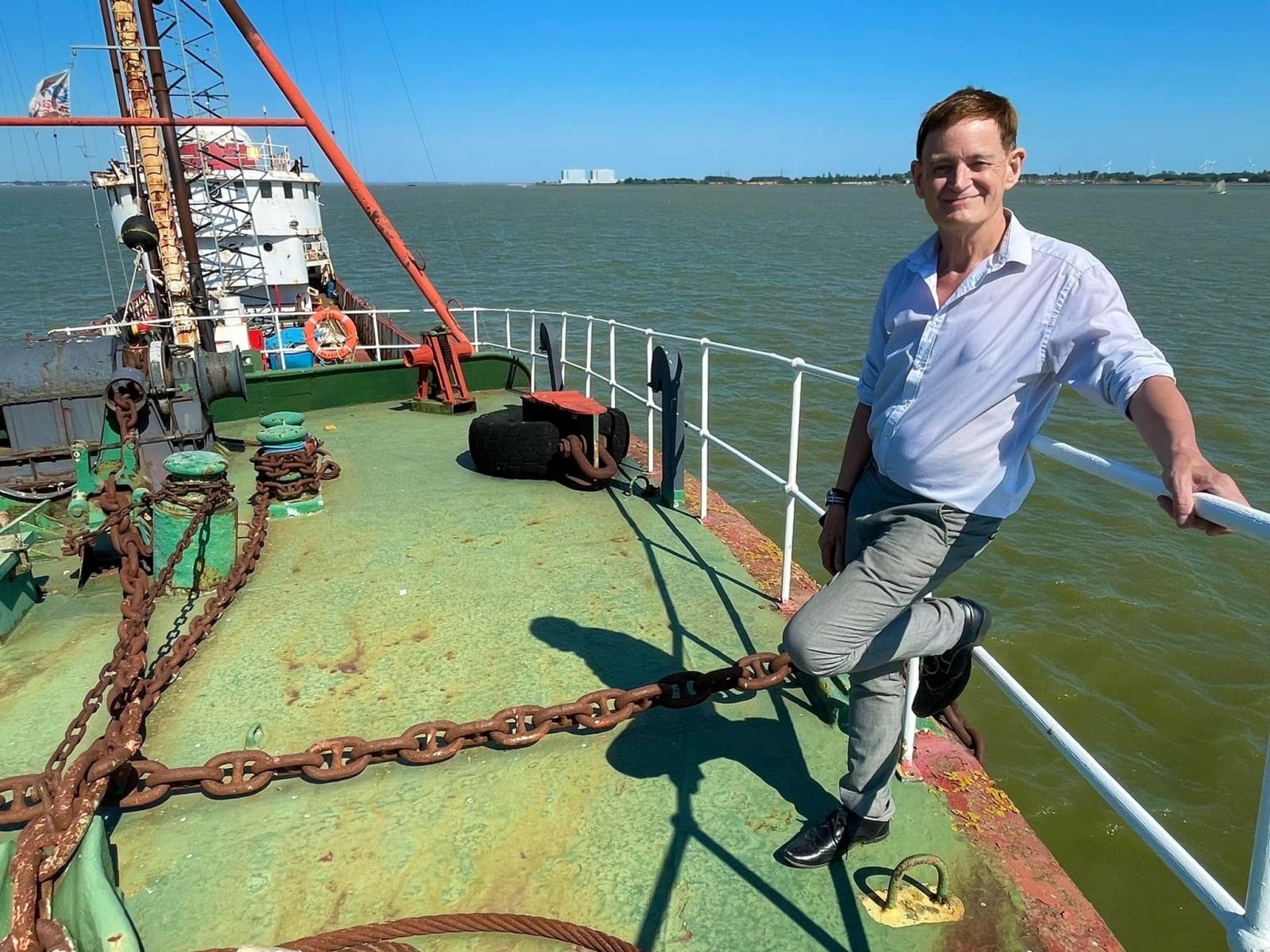
50 years on the air at Radio Caroline
 Nederlandstalige versie –
  Deutschsprachige Version
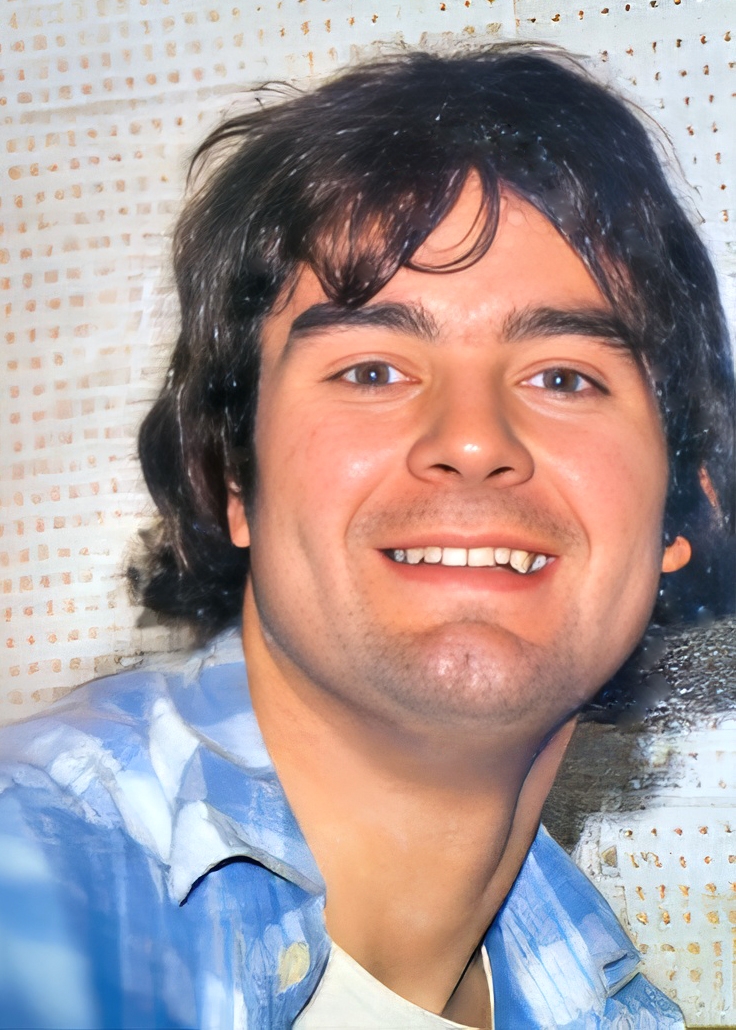
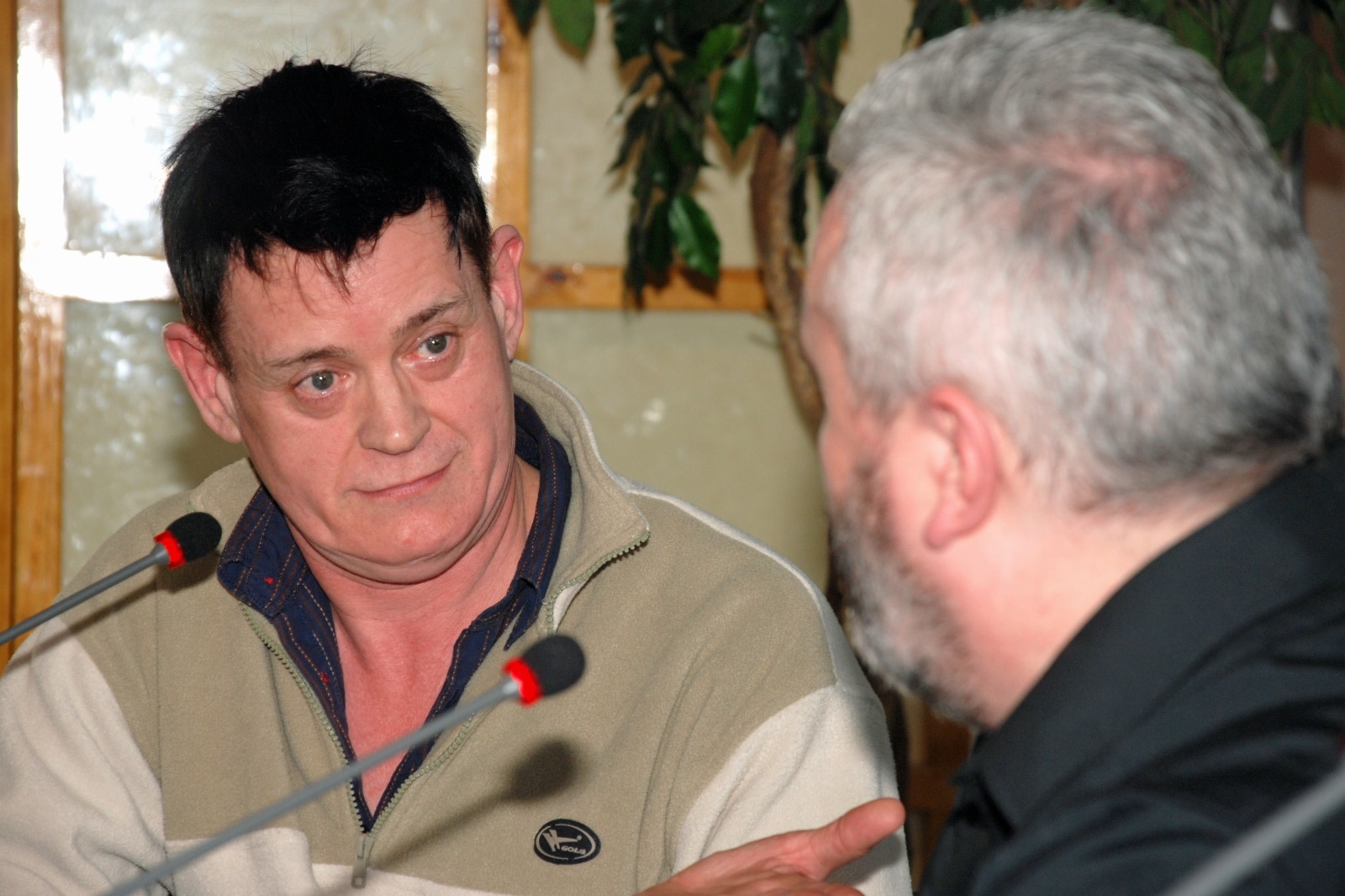
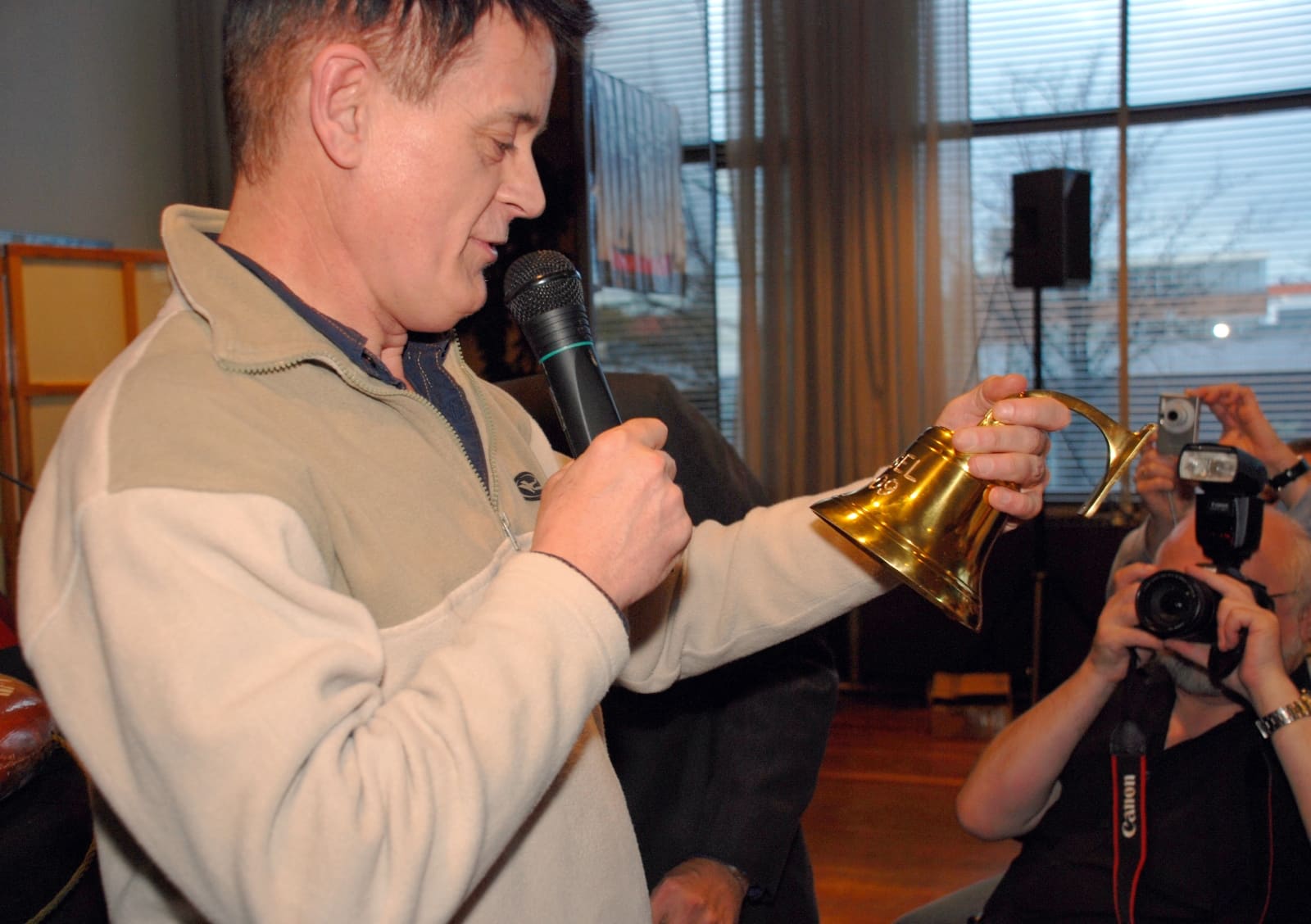
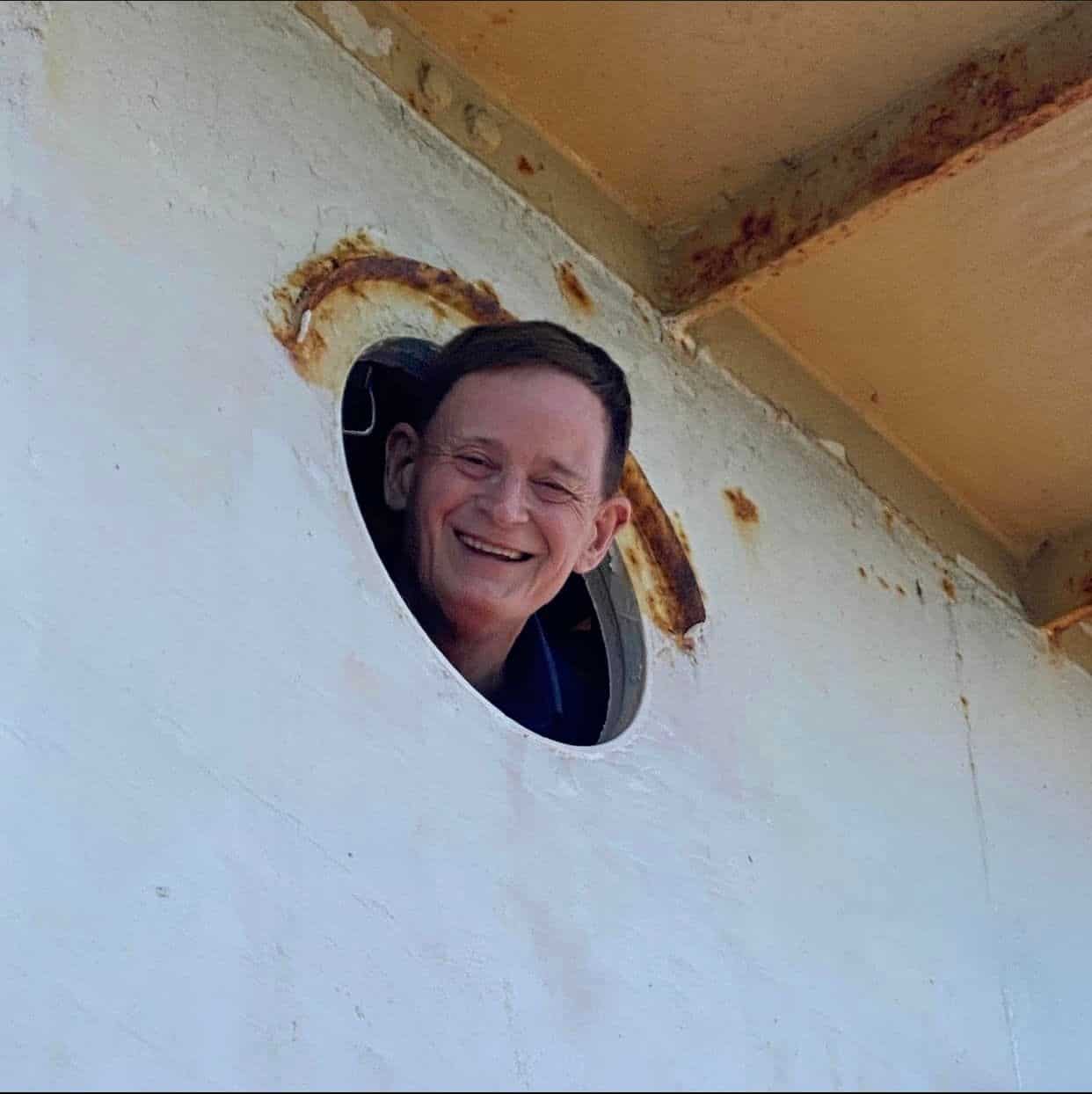
I have been listening to Radio Caroline since 1972 and, ever since, have hardly missed a significant chapter in the eventful history of this legendary radio station. Countless presenters came and went; some stayed for only a few weeks, others returned after many years away. One, however, remained an almost constant presence over several decades: Nigel Harris, who during his early years with Caroline broadcast under the name Stuart Russell. Few people embody the spirit of the famous Caroline Family quite as much as he does.
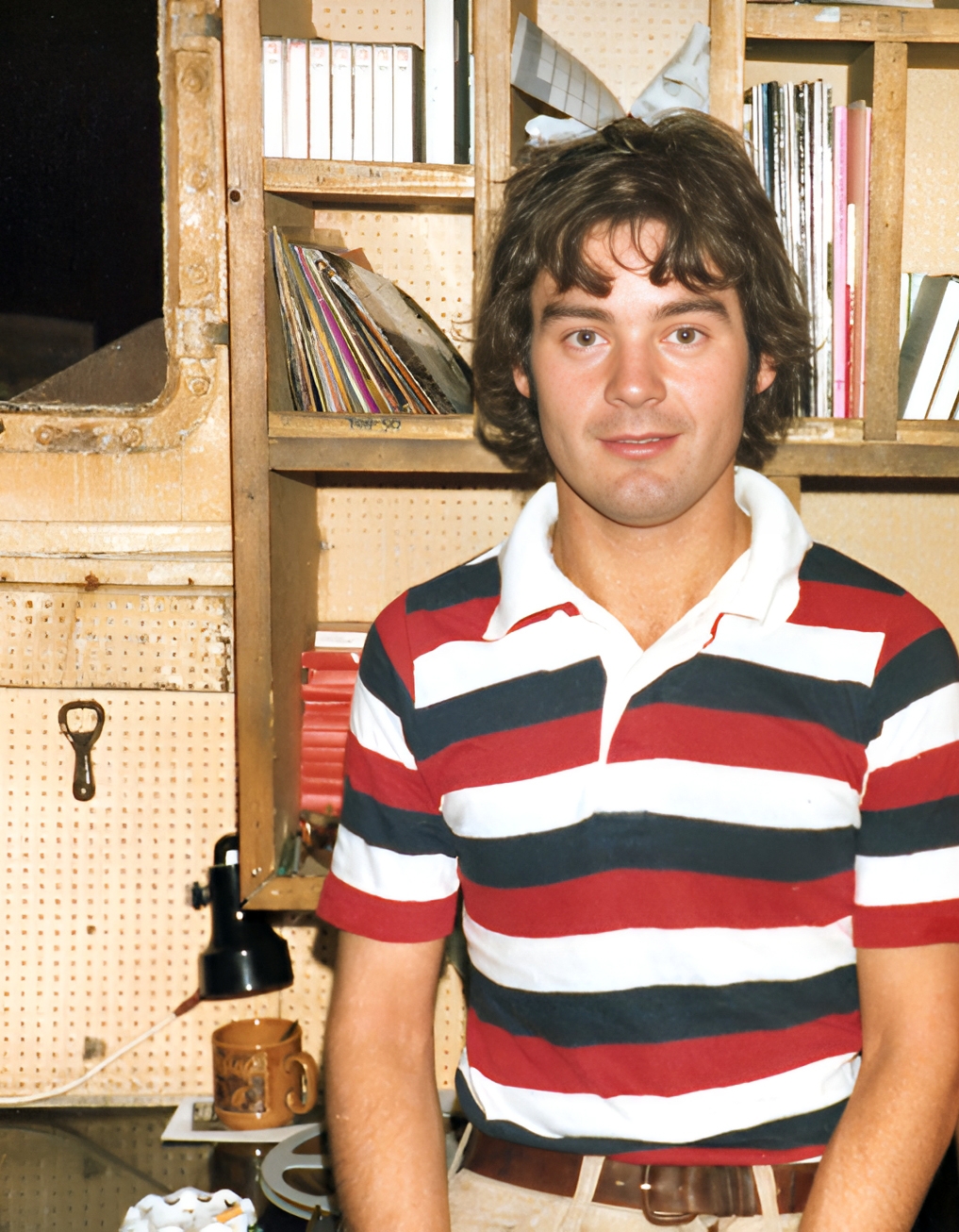
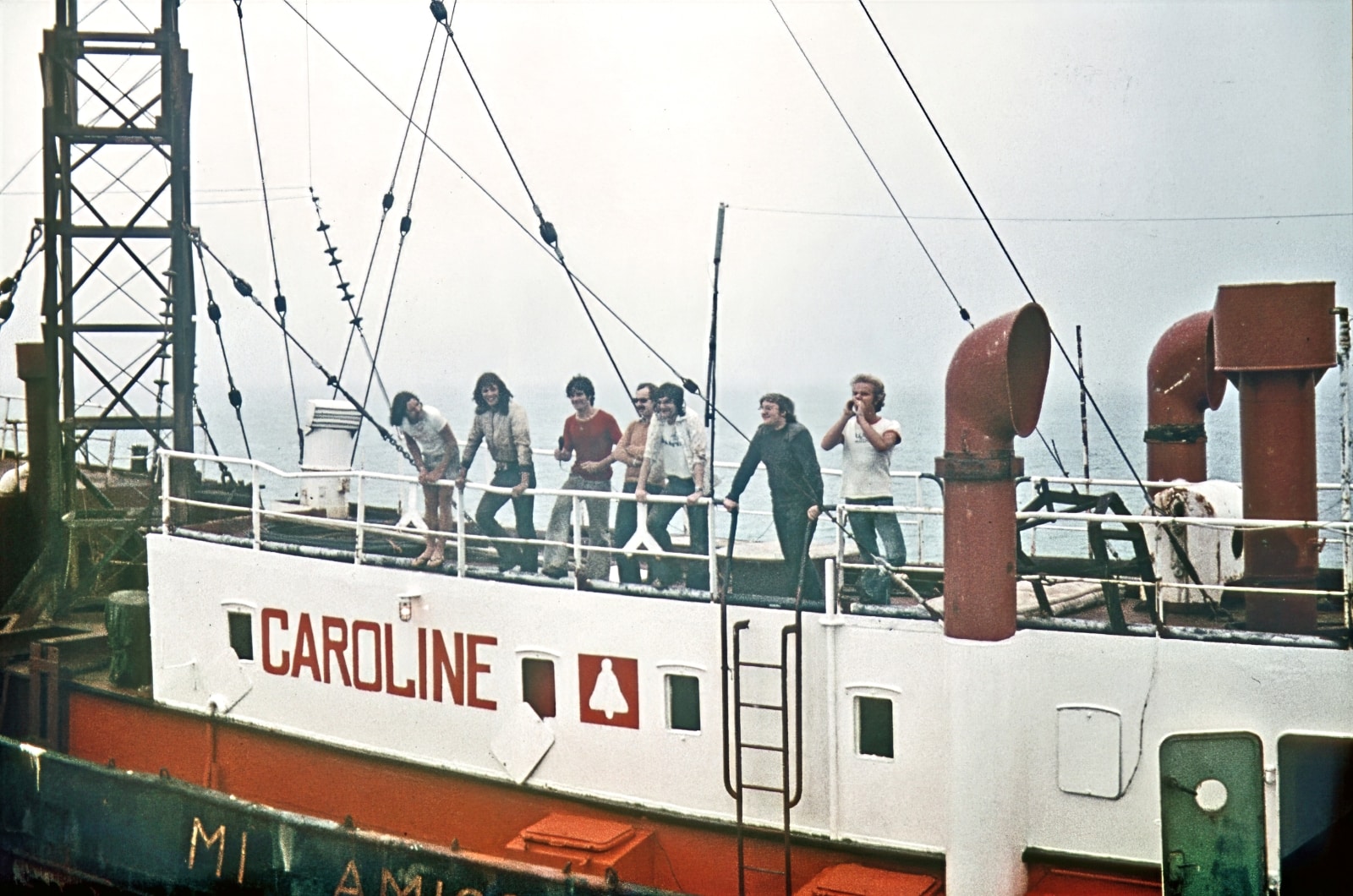
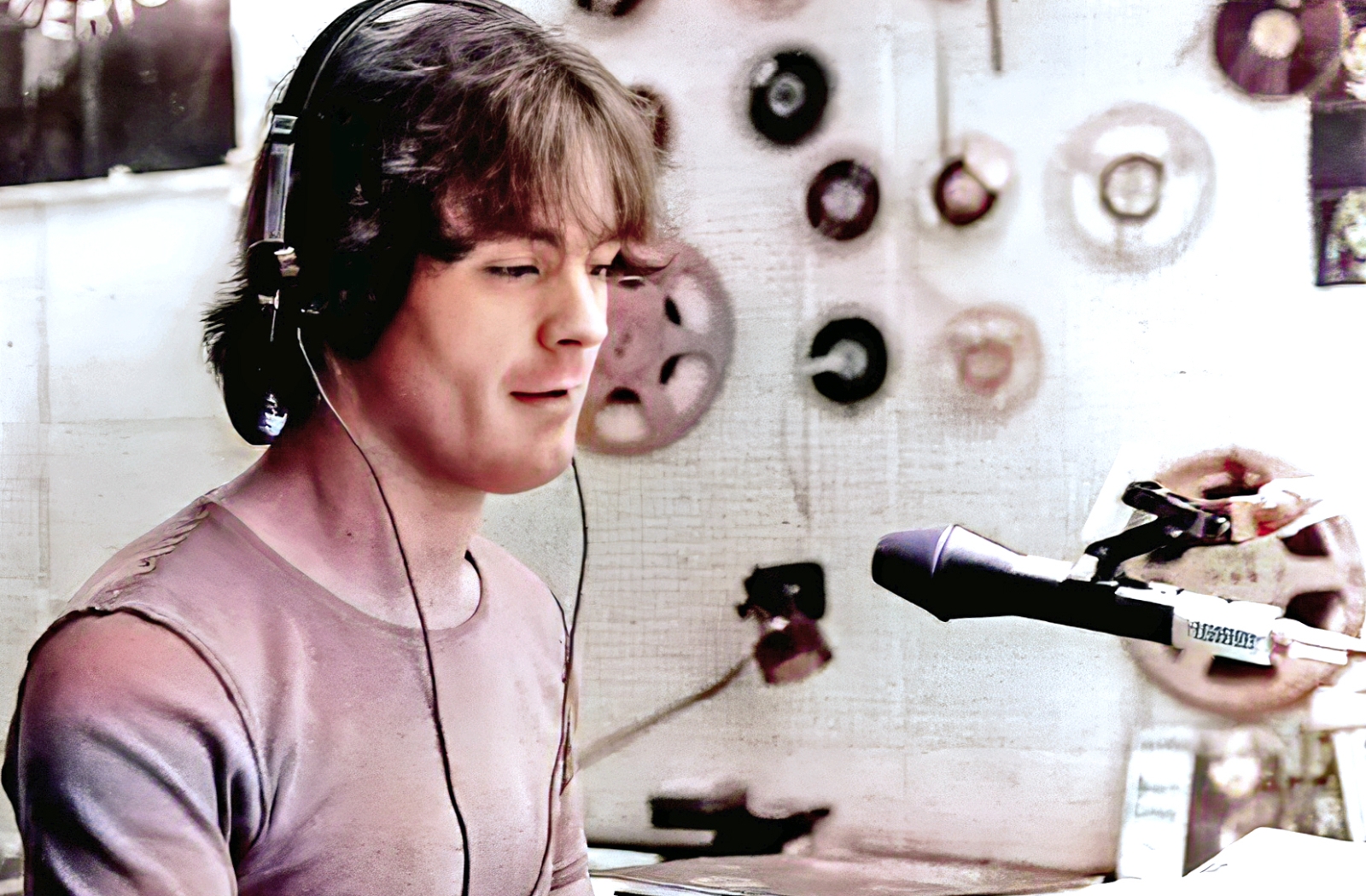
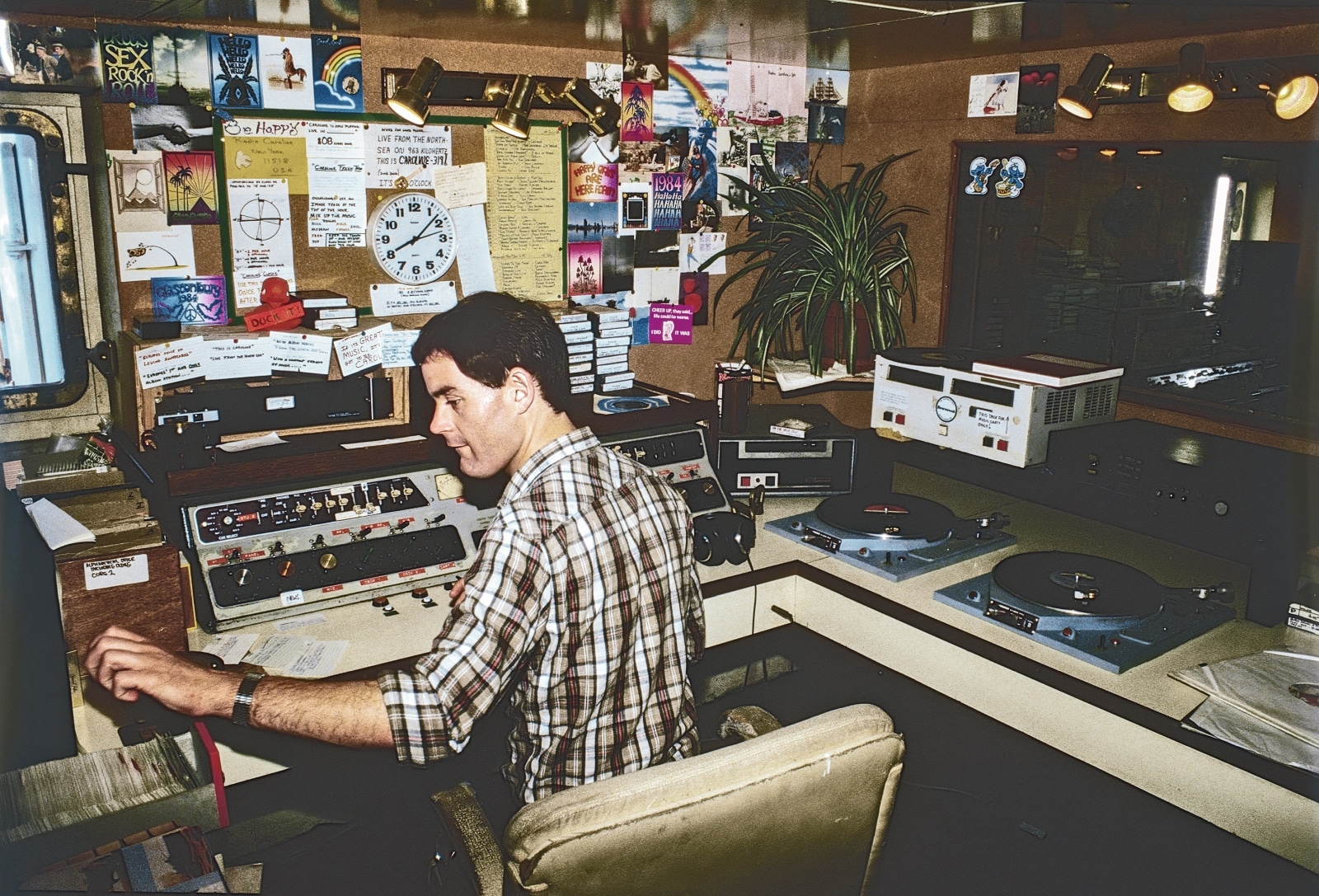
On 15 May 2026, Nigel Harris quietly celebrated a remarkable milestone. Fifty years earlier, with the launch of Radio Caroline’s 24-hour medium wave service on 192 metres (1562 kHz), Stuart Russell presented his very first programme for the station. What began that day developed into one of the most remarkable careers in offshore broadcasting history. Between 1976 and 1980 he spent a total of 2,221 hours behind the microphone aboard the MV Mi Amigo, setting what remains a legendary record. Together with Roger Mathews, he even completed thirteen weeks and six days on board without relief.
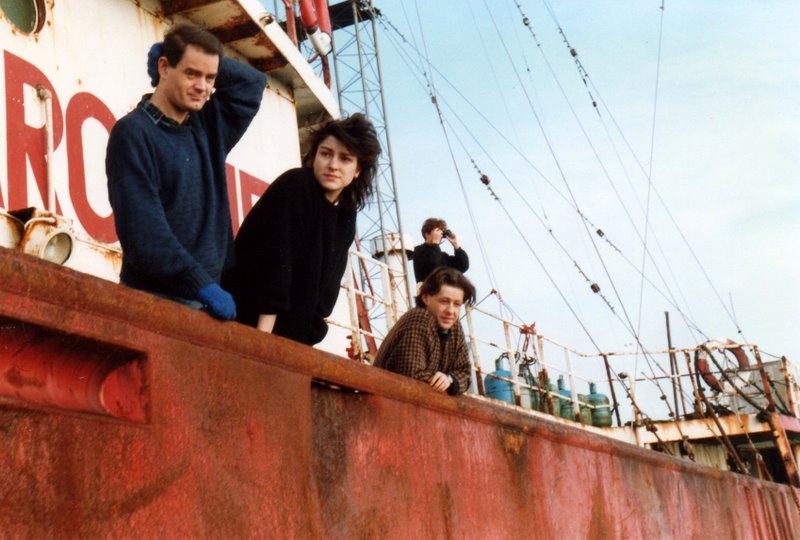
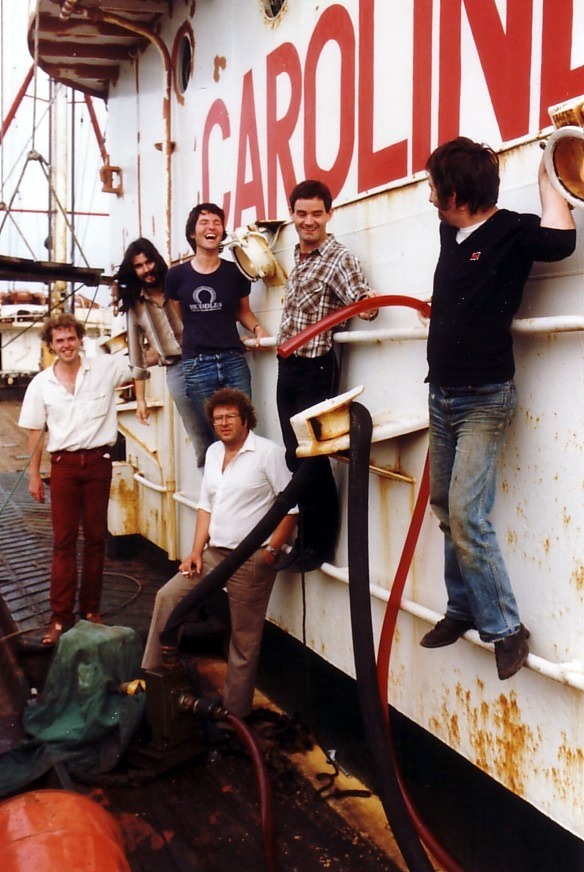
Following the loss of the Mi Amigo, Nigel became involved with the Radio Phoenix and Radio Paradise projects before returning in 1984 to Caroline’s new radio ship, the MV Ross Revenge. There he spent a further 958 hours on air before leaving in October 1990, eventually becoming Radio Caroline’s final Programme Director during its offshore era.
Anyone meeting Nigel today would scarcely guess the hardships of those years. Rough crossings, technical failures and dangerous situations were simply part of everyday life. In an interview conducted by British author Ray Clark for his documentaries and his book Radio Caroline – The True Story of the Boat That Rocked, Nigel recalled those extraordinary years with his characteristic sense of humour.
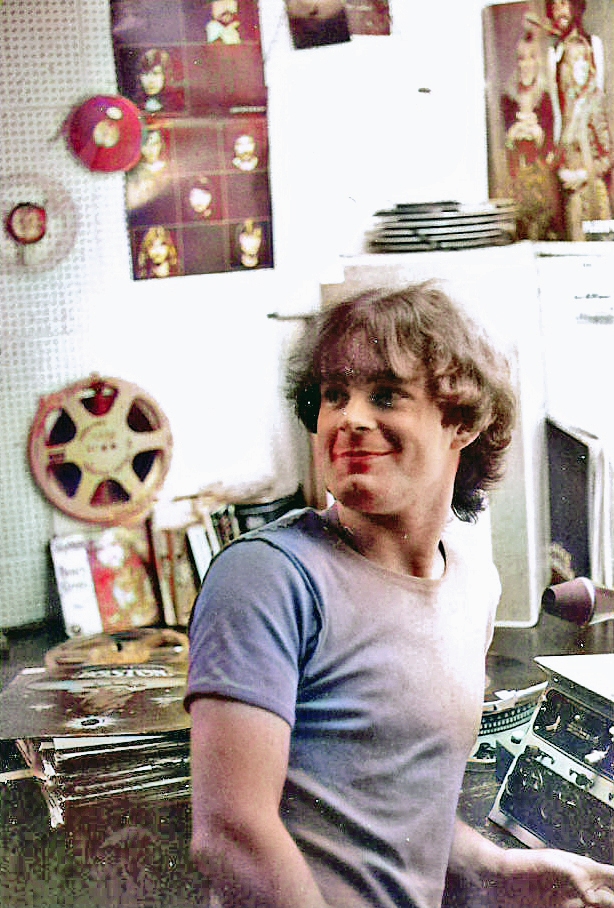
One of his favourite stories dates from the late 1970s aboard the Mi Amigo. While presenting his breakfast show, the ship’s anchor cable suddenly parted without anyone immediately realising it. The nervous captain rushed into the studio and firmly instructed Nigel not to mention the incident on air, fearing the authorities might discover the ship was drifting towards territorial waters. Nigel calmly carried on presenting—until a young woman, who had just been told by the captain about the broken anchor, walked into the studio completely naked, sat opposite him and remained there throughout the entire programme. “How I managed to remain professional for that whole hour, I still don’t know,” Nigel recalls with a laugh.
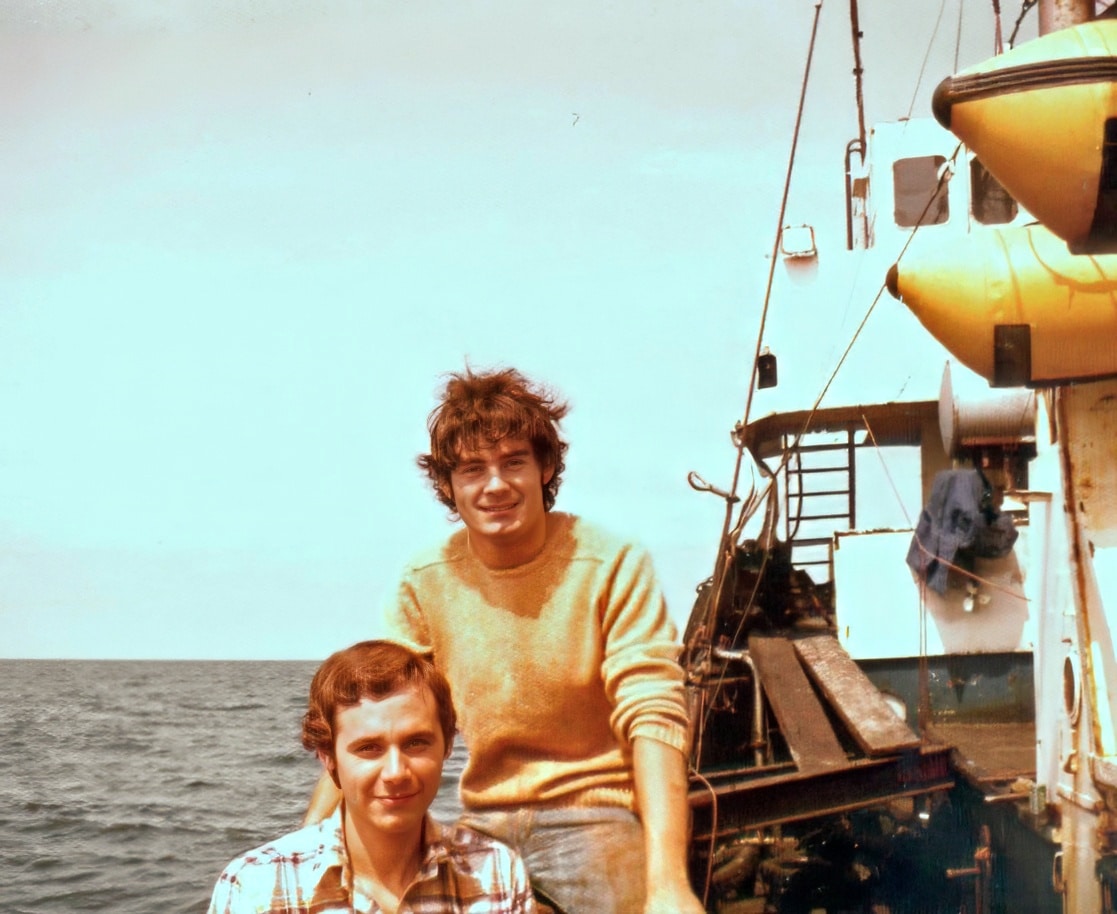
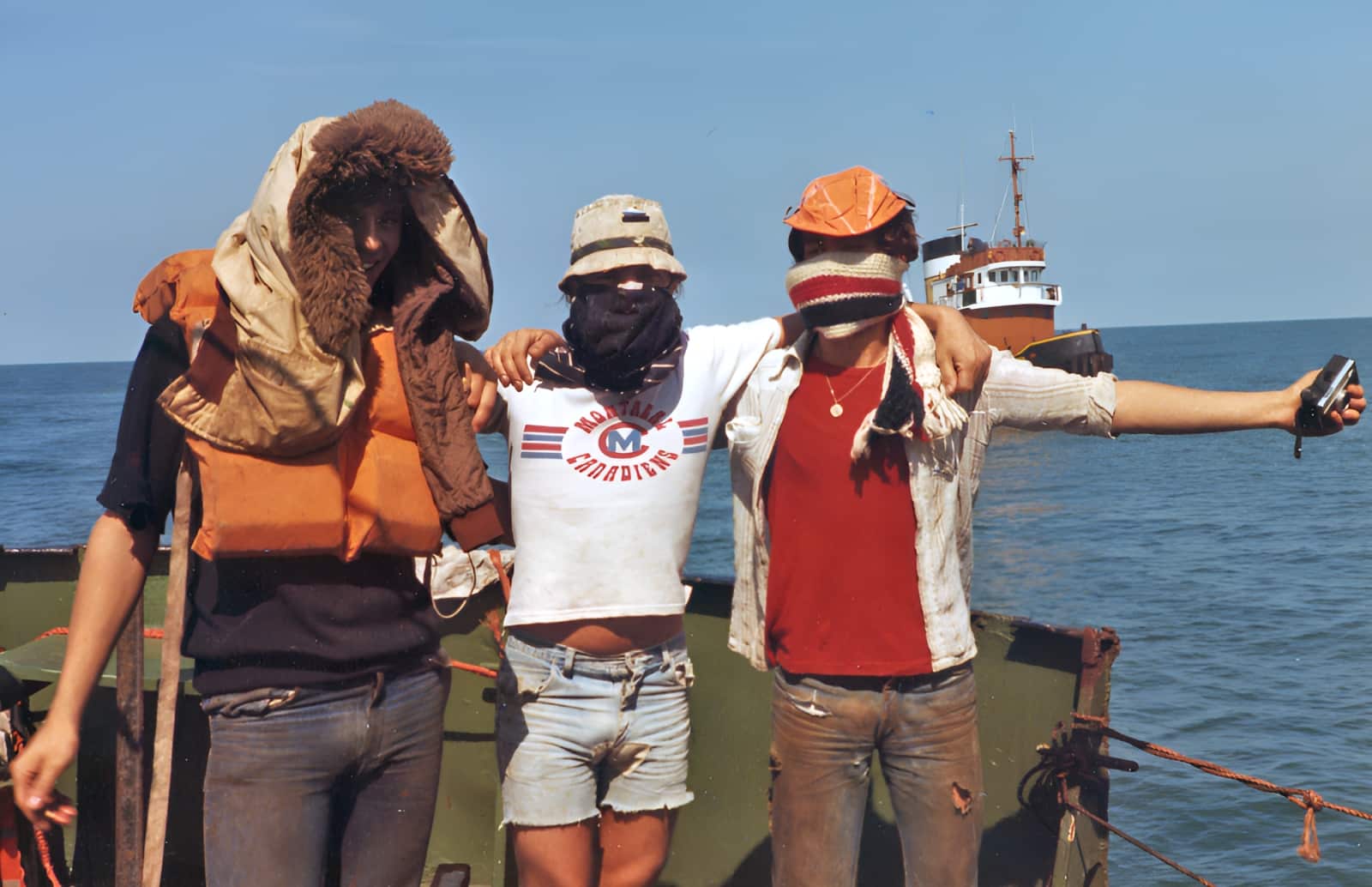
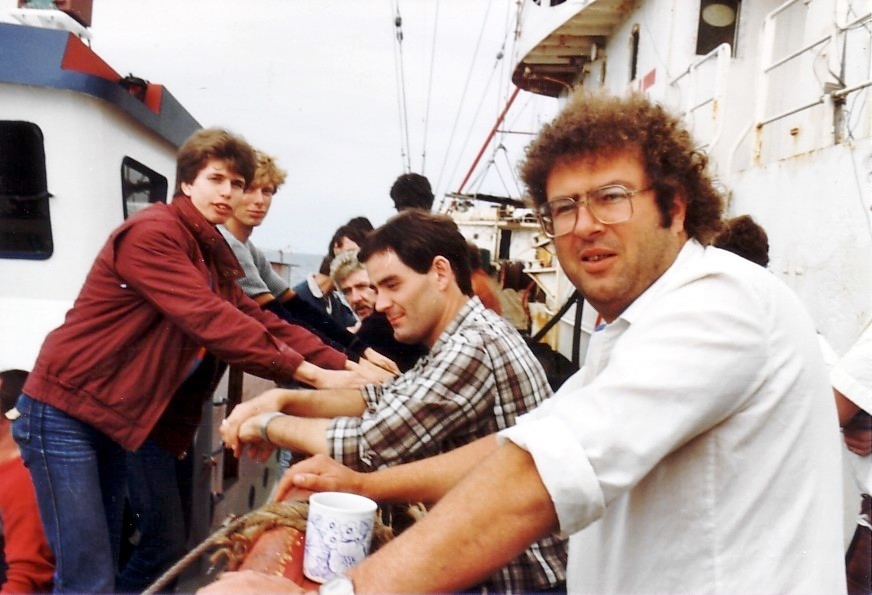
The often lengthy tender trips between Ostend and the Mi Amigo have also passed into Caroline folklore. One crossing in particular has stayed with him ever since. In extremely rough weather he became so violently seasick that he seriously contemplated jumping overboard simply to end his misery. Concerned for his safety, the crew promptly tied both Nigel and his chair to the deck of the fishing boat. He remained firmly secured until the vessel finally came alongside the Mi Amigo. For Nigel, it remains the worst crossing of his entire offshore career.
The small supply boats also provided plenty of unintended comedy. One skipper operated a tiny wooden boat in which either the radar or the cabin lights would work—but never both at the same time. Since most crossings took place under cover of darkness, the radar was usually sacrificed in favour of some illumination. The inevitable result was that the boat regularly ran aground on sandbanks. Reaching the radio ship without grounding was regarded as something of a minor miracle.
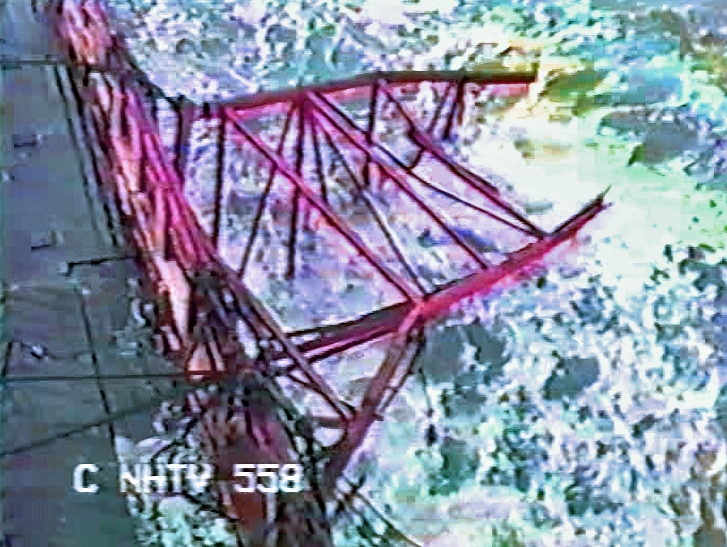
Not all the memories, however, are humorous. Nigel vividly recalls the dramatic night in November 1987 when the Ross Revenge’s 300-foot transmission mast collapsed during a severe storm. Only a few weeks earlier, the devastating Great Storm of October had already weakened the structure considerably. As the ship eventually began rolling broadside to the swell, the mast finally gave way. Nigel had just enough time to fetch his video camera and began filming only seconds before the collapse. Moments later, two tremendous crashes shook the vessel as the steel mast buckled and fell over the side into the sea. The entire crew donned lifejackets and waited anxiously in the galley while the captain and engineer assessed the damage. Only several hours later could the remains of the mast be cut free using oxy-acetylene equipment. Despite the extensive damage, Radio Caroline achieved what seemed almost impossible: just eight days later the station was back on the air using a temporary aerial.
Only two years later Nigel witnessed another dramatic chapter in Caroline’s history. On 19 August 1989, a joint British-Dutch boarding party of around thirty armed officers boarded the Ross Revenge. Using sledgehammers, they smashed transmitting equipment and confiscated studio recordings and tapes. The targets were Radio Caroline and the Dutch station Radio 819. The authorities claimed that the ship’s Panamanian registration had expired, rendering her technically stateless, and alleged that the broadcasts were causing interference to maritime communications. Although the medium-wave transmitters suffered extensive damage, the crew refused to give up. By October 1989 Radio Caroline had returned to the air using improvised equipment and reduced power—another remarkable example of the Caroline crew’s determination and resilience.
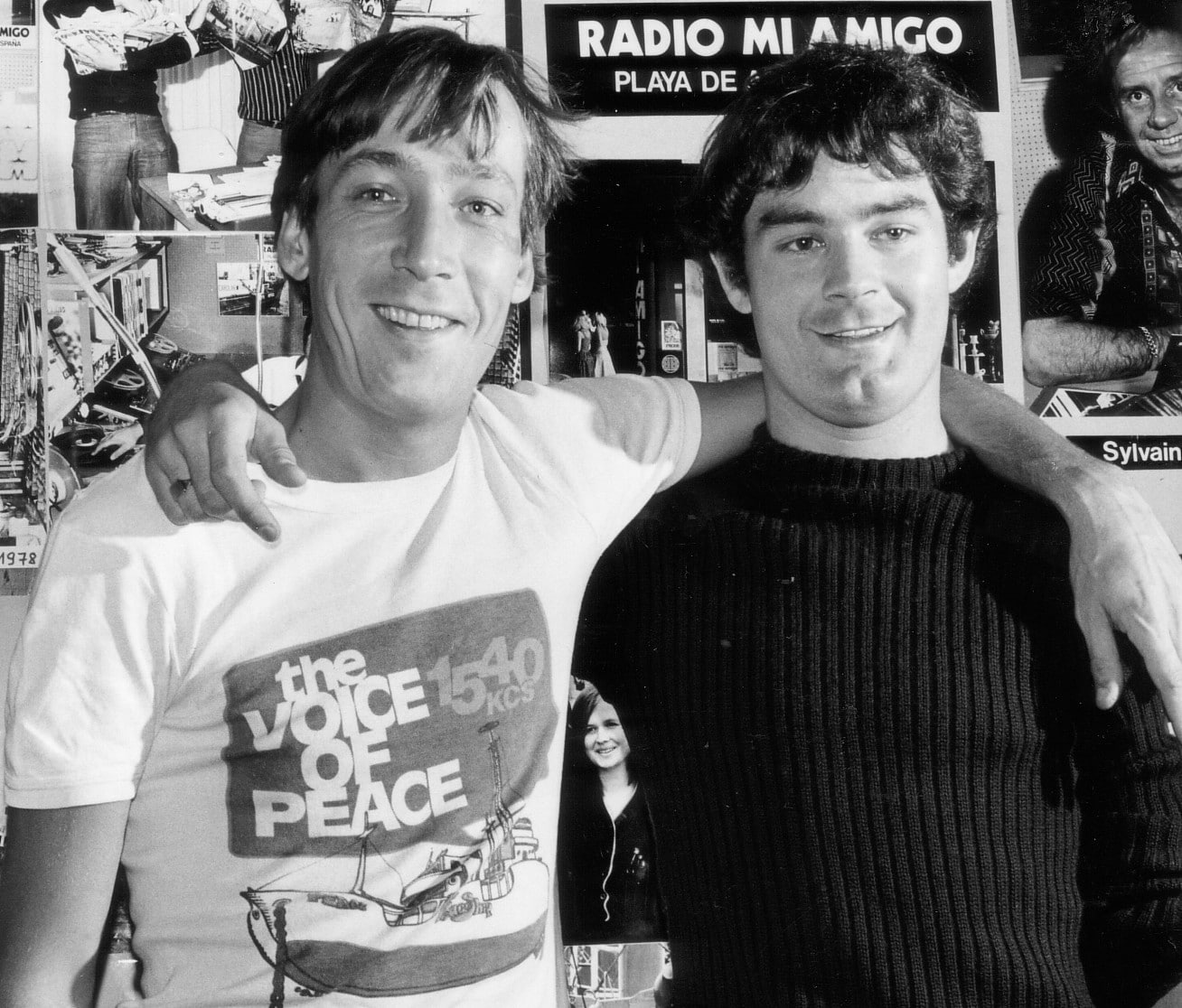
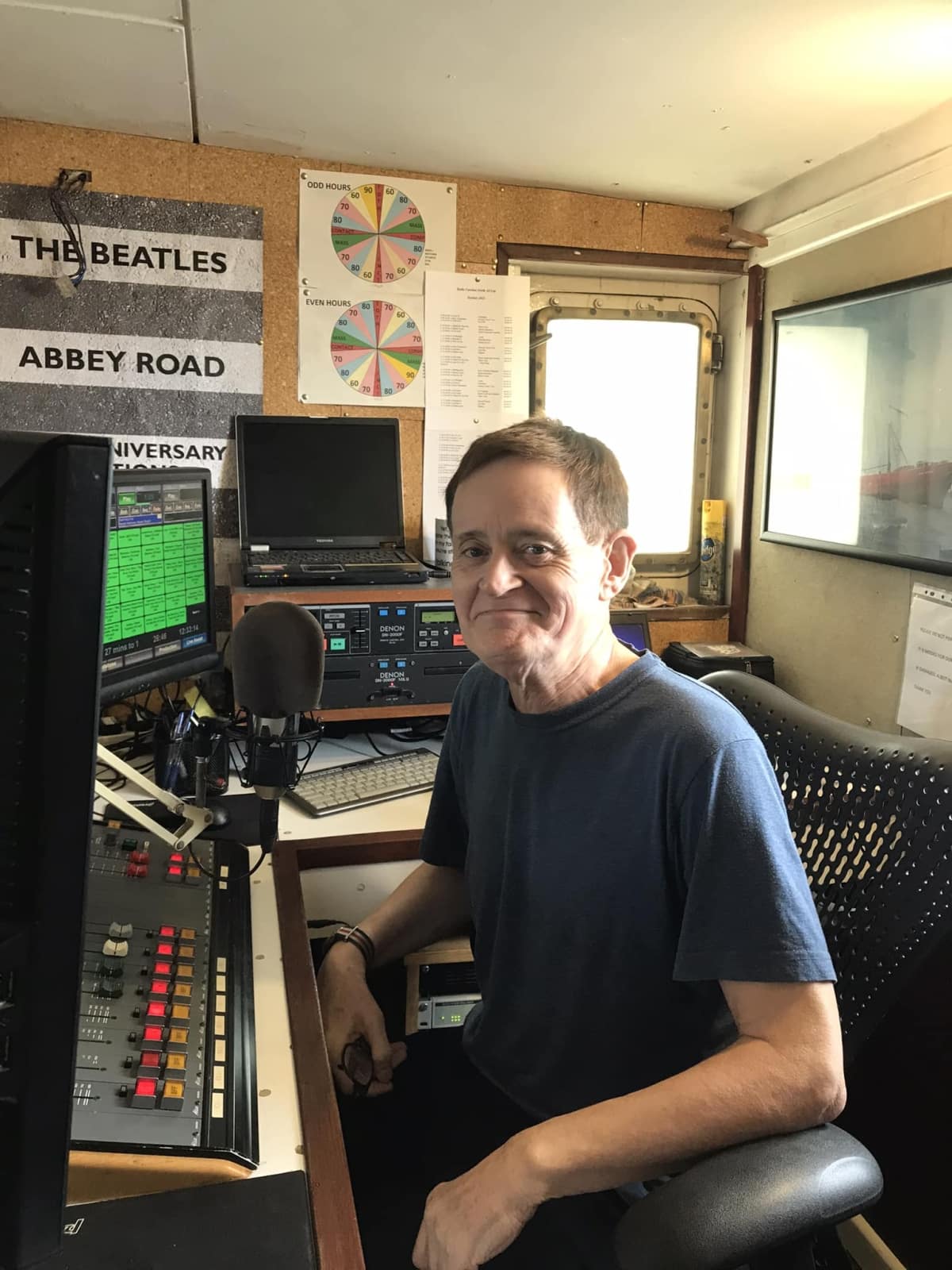
Following the end of the offshore era, Nigel joined the Voice of Peace off the coast of Israel before later working for Invicta FM, Breeze AM, EKR, KMFM and RFM. Today he continues to present his weekly Friday afternoon programme on Radio Caroline, while also broadcasting under his former on-air name, Stuart Russell, on Quasar Radio.
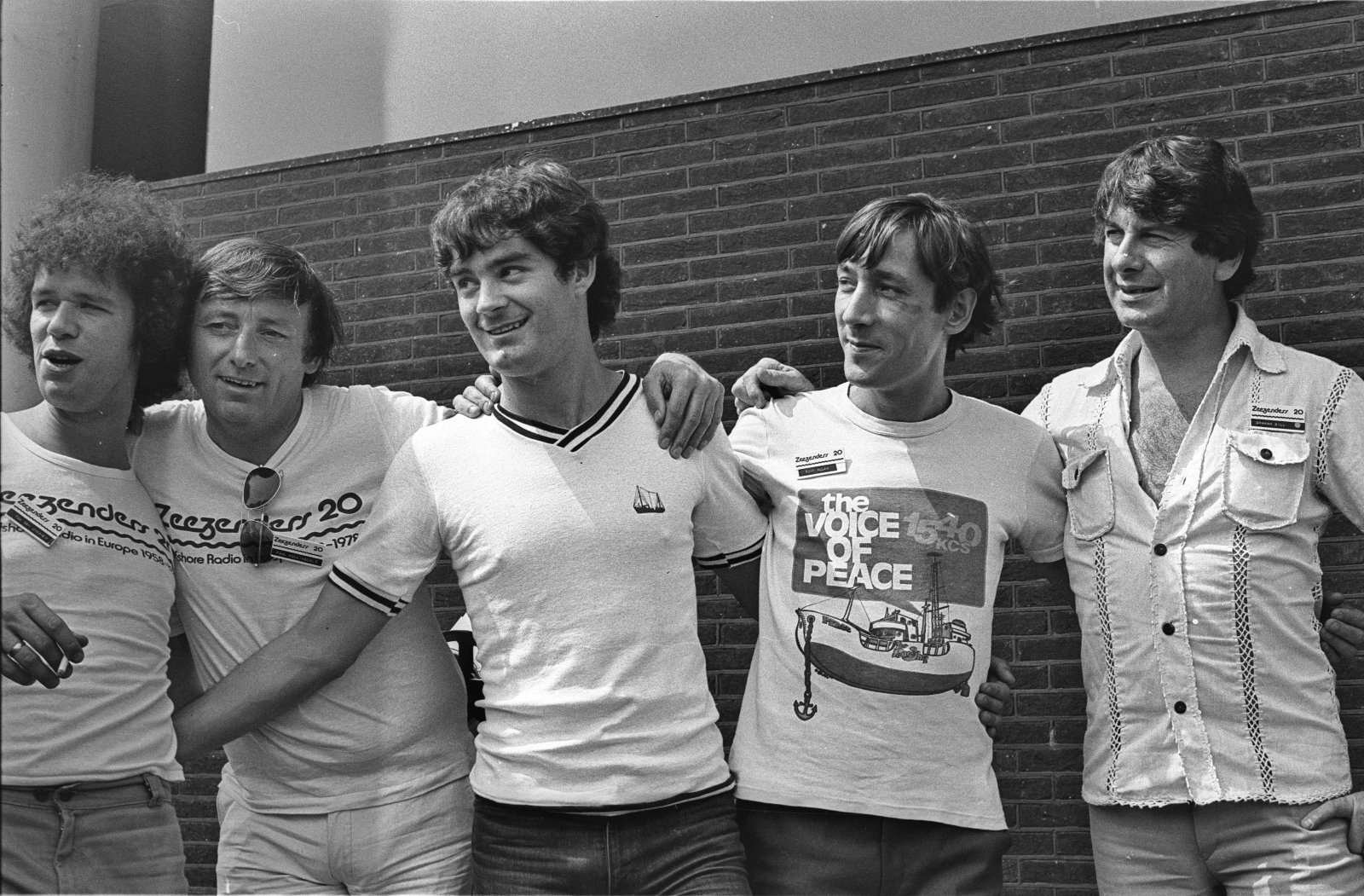
Nigel has never forgotten his years at sea. He has attended countless offshore radio conventions and reunions, usually remaining quietly in the background. In 2009 he published Ships in Troubled Waters, his fascinating memoir of life in offshore broadcasting. Alongside his radio career, he continues to serve as a church organist.

More than three and a half decades have now passed since Radio Caroline’s last broadcasts from international waters. Since then, the station has continued broadcasting from land, interrupted only occasionally, first under Restricted Service Licences (RSLs), for many years via satellite, and today online, on mediumwave 648 kHz and on DAB. Broadcasting now originates from land-based studios, although one weekend each month programmes are still presented from aboard the Ross Revenge. One person who has been there for almost the entire journey is Nigel Harris. For many listeners he remains the voice of Radio Caroline. His programmes are distinguished by an exceptional musical selection, extensive knowledge and a presentation style that is both relaxed and engaging. Anyone tuning in on a Friday afternoon hears not only one of radio’s most experienced and likeable presenters, but also one of the last active eyewitnesses to the great era of offshore broadcasting.
Martin van der Ven, June 2026