
Born on 29 March 1945 in Cheltenham, Roger Day became one of the most recognisable voices of Britain’s offshore radio era.
A lead from Dave Cash took him to auditions for the new offshore station Swinging Radio England. Roger joined the original line-up and was the only presenter to remain from launch to closure six months later.

After a spell at Radio Luxembourg, Roger returned offshore in January 1970 as Programme Controller and senior DJ with Radio Northsea International. He built a strong presentation team during a much-admired period in the station’s history, though disagreements with the new American programme director Larry Tremaine led to his departure later that year.
Subsequent work included clubs, the United Biscuits Network and a single pre-recorded show for Radio Caroline in June 1973. His full return to live radio came in April 1974 with Piccadilly Radio in Manchester, followed by many years on commercial stations across England.
Roger later launched the internet-based UnCool Radio and in 2004 organised Radio Caroline’s 40th anniversary celebration. Now based in Spain, he can currently be heard on Boom Radio. His autobiography, Pirate of the Airwaves, was published in July 2023 and is availabe via Roger’s website.
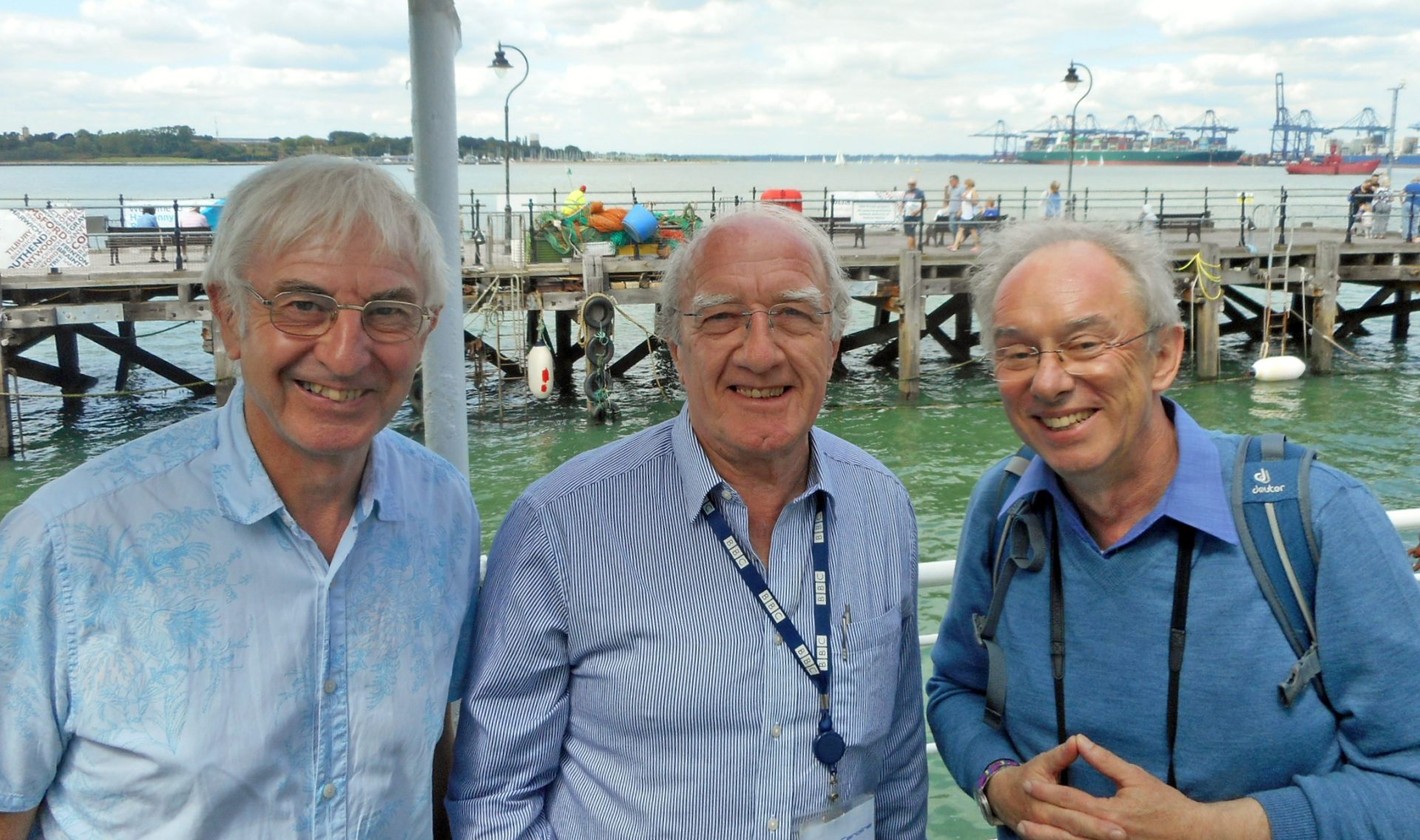
At the Erkrather Radiotag in Hilden (Germany), in October 2017, Martin van der Ven spoke to Roger about his fascinating radio career.

Martin: How did you come to join the brand new broadcasting station Swinging Radio England. How did that come about? What did your girlfriend and your parents think?
Roger: It was thanks to my girlfriend at the time, a lady from Deal called Ann Levington. We were engaged. Fortunately for her, we never got married. A lucky escape for her. I was pop music mad. You’re too young to remember but Jack Jackson used to be on Radio Luxembourg. He used to have a little character called Jukebox Joe. The nickname for me was Jukebox Joe at my accountant trainee, hated the job but good with figures. This is girlfriend, she wrote up to Pop the Question on Southern TV in South East. Muriel Young did this programme. They had a star on one side, and a star on another side and two ordinary viewers doing the questions. Out of the blue, I got an audition for this. I answered all the questions, obviously. Got on this in the Winter garden at Margate. Same place as the Beatles played. Our team won with Chris Andrews as captain. That was it I thought. It went out on television. The next day a fella who used to be one of the engineers at the place I worked at. I paid his wages each week. He left to be assistant manager at Dreamland Ballroom Margate. He phoned me up. I saw you on the TV. You said once that you wanted to be a DJ. How would you like to come and play the records at the Wednesday record session at the Dreamland Ballroom? This was a famous ballroom in Margate where all the stars appeared. Of course, I said yes. A couple evenings a week I played the records there.
Then on my 21st birthday, my girlfriend again had written to Dave Cash of Radio London. He played me a record. “DJ in Margate Roger Day, with a birthday, Happy Birthday mate”. The next Saturday as part of my birthday celebrations, I went to a Radio London gig at Marque club in Wardour Street. I happened to meet Dave Cash in the bar. I said “Hi Dave”. He probably did not remember, but he was a good guy. There’s a surprise. “Any chance of a job on the ship?” He said “You have not got any experience, have you?” “No”. ‘There is some guys flying from America setting up a new radio station looking for people with no radio experience. That’s me. I went to the Hilton Hotel and met Don Pierson and Ron O’Quinn. They got me talking for two hours. At the end of it, I got home. My Dad said “Some American phoned up, you’ve got the job.” That was it. The best part is that I was the first one they interviewed. Roger Day was my professional name. The second one was Peter Dingley. The name he used was Peter Dean. We have already got a Day. You got to change your name. Johnnie Walker heard this jingle from America. He got hired as Johnnie Walker. Every time I see him, I say “If I had been second through the door, you’d be Peter Dean and I would have been Johnnie Walker.” I wonder if that would have affected our careers. It’s strange how fate plays its little game. That’s how I got the job on the ship. They hired me because I had no radio experience and a cute English accent. I did not tell them that there was a million others with those qualifications. That’s how I got my first job in radio. As usual it was the right place at the right time. A bit of luck. You cannot get anywhere without a bit of luck.
There were English DJs. Did you have to speak with an American accent? Is that true?
Not with an American accent. They told us to speak as fast as they do. I sounded like Mickey Mouse on helium. I was more than 45, I was on 78 rpms. It was quite fun because you were not allowed to talk over dead air. You had to do everything over the intro or outro of the record. If you talked over the music, Ron O’Quinn came in and kicked your ass. He did.
Roger Day on Swinging Radio England 14-10-1966:
It was good training to learn from professional American DJs. The trouble with British radio is they talk the plurals. That’s not radio. You talked to one person. You will never say “Good evening ladies and gentlemen, good evening everyone.” Take note Tony Blackburn. He still uses that. You always thought of one listener. That’s probably all we had. It was basic rules. I still keep to the rules he taught me. We were not very successful but it was a grounding for me, led to me being still here today.
Was there a stringent play-list? Did you have the freedom to play records of your own choice?
The oldies were our choices. The golden classics. There was free choice but what it was, it was divided into 3 lists: the A, B and C list. They were on a hook, the centres were knocked out. After you played it, you turn them over. Then the next one on that list A, B or C. Until they had all been used. Then you turned them over and started again. There was that rotation which is now done by computer. It worked. It meant that I did not play the same record as the fella before. It’s different to radio nowadays where they have a 300 playlist.
Roger Day on Swinging Radio England 17-10-1966:
The living conditions on the vessel were not that good?
They were awful. When we first went on, none of the cabins had been built. We had to sleep on the floor in the dining room. It was very basic. There were cockroaches running over us when we were sleeping. It had not been fumigated. It was pretty grim. Eventually they did build the cabins. It was basic conditions in those earlier days. It was nothing like I imagined it. I did not give a damn because I was doing what I wanted to do. I am sure it was better than what was on the forts. I found out later that they were not as nice as Mi Amigo.
There was a sister station?
Britain Radio. I did a few shows. That was what they called a sweet music station. Middle of the road thing. You had to go from “Radio England, to Britain Radio playing Frank Sinatra. The sweet sound of Britain Radio.” I did not last long on there.
Roger Day on Britain Radio June 1966:
Do you remember any practical jokes onboard?
Lots. The best one was we had a fella Phil Martin, the newscaster. We had nothing else to do. We did not have anything else to do but play jokes on people. He did the early morning show on Britain Radio. He’d gone to bed. We all went round every clock on the ship and changed every clock to 5 o’clock in the morning including his alarm. He had only been in bed for about an hour. The alarm went off. We were still in the mess room drinking Heineken. He said “What are you sods doing up?” These nights seem very short.” He went to the studio and saw the late night DJ. I think that it was Johnnie Walker and realised that he had been had. He did not have to get up that early. The usual thing of putting the hose through the studio windows. Plenty of things. We were stupid little boys basically.
You stayed to the real end of Swinging Radio England?
I was the only one. Brian Tylney was the other Englishman. He was a bingo caller. I do not know what happened to him. He was in jail for a time because I used to write to him. He never contacted me when he got out. I closed the station down. Johnnie had already gone to Caroline. He rushed off and got a job, the swine. I was left to close the station down. It was one of the saddest days of my life. I thought that it was the end of my radio career. I have only just got it and it’s gone.
They did not tell you that it was to change?
No, we read in the paper. Radio England to go Dutch. I do not speak Dutch. That does not include me then. Some swear words in Dutch. The first thing you learn. Johnnie saw it. He was off on the tender. I was not going to do that. I stayed to the end. That was it. It was a rotten way to find out.
There was Radio 355. Did you make any programmes for them?
No. Britain Radio became 355.
Do you remember any crew members? Were they Dutch?
At first it was Cuban. An American Negro fellow. This is a good story. They became Dutch later on. I cannot remember any of those guys. This guy. Do you remember the “first James Bond film called “Dr. No”? Warren’s the Negro guy, when James Bond is in the swamp, the dragon came out breathing fire. Warren’s eyes popped out of his head. He looked exactly like this guy. We took him on deck. “How would you like to see some black magic, my friend? “We got neon tube. There was so much RF, it would light your earrings up. So he held up this neon tube. It lit up. He did everything we asked after that. We called him the magician.
Was there enough food and drink onboard?
We were never short of food. The food was not as good as Caroline. The chef was not Dutch. It was Dutch crew on Caroline. Superb cook introduced to Indonesian cooking. It was very basic on there. It’s why I do not eat meatballs anymore. They had 50 ways of cooking meatballs. I never wanted a meatball since I left that ship.
They gave us crates of beer each week. 200 cigarettes, but I did not smoke so I swapped them for beer. Crates of coca cola. They looked after us. It was good money. I was paid £30 per week. £90 to spend in a week. Which for a young single man with no mortgage in 1966, that was a lot. I did my best to spend it. If only I had bought an E type Jaguar with it but I was too stupid.
In July 1967, just before Marine Offences Act (MOA) came in, you changed to Caroline South broadcasting from the Mi Amigo. What was there a difference between ships?
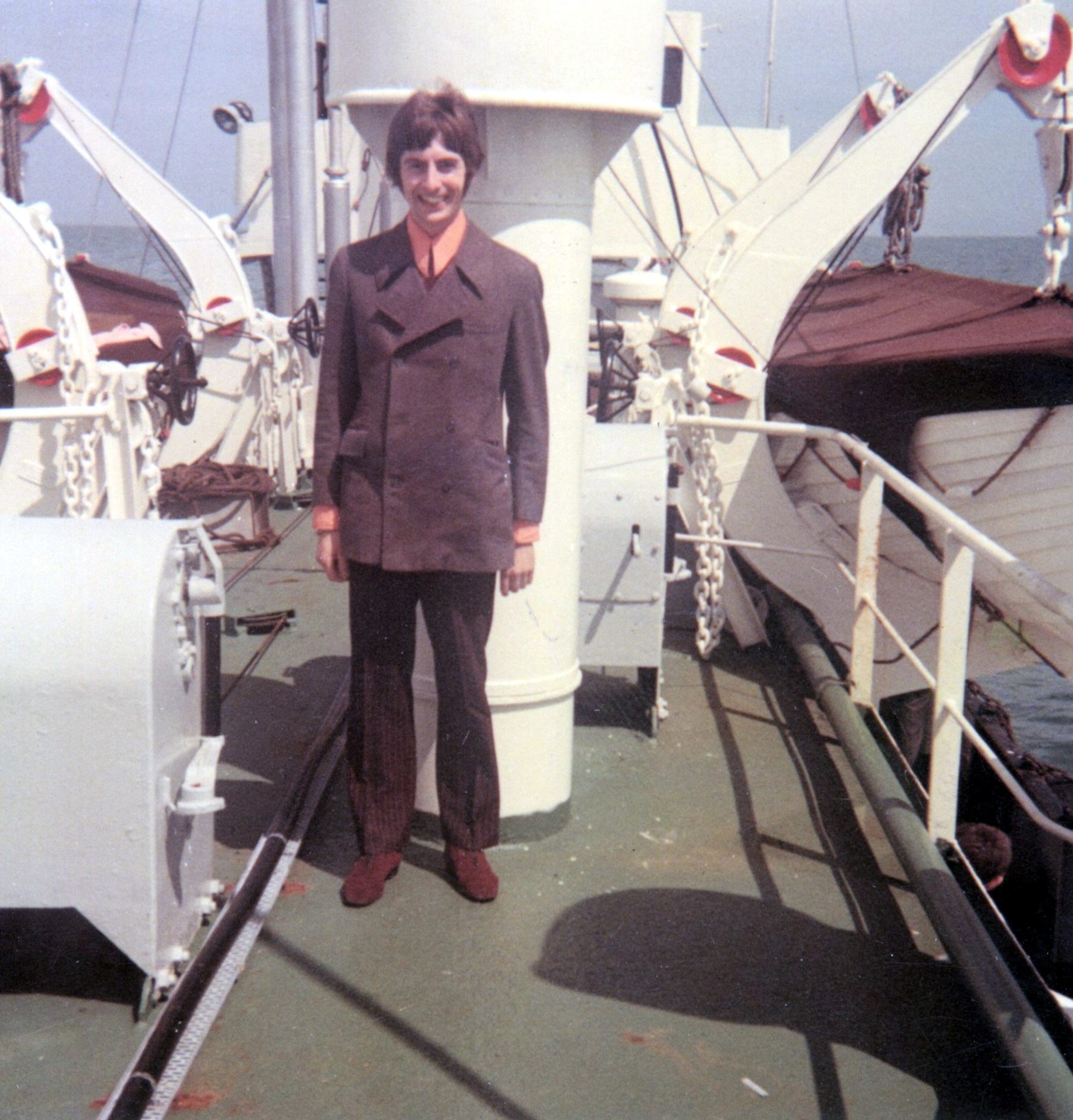
It was a different class. It was the difference between a non-league football team and a Premiership side. It was a different class. I did things in the clubs between. I was one of the first person to introduce Jimi Hendrix on stage in that time. I had a good circuit of gigs. Terry Bate, the fella behind Cash Casino, the legendary Radio Caroline co-ordinator, which saved Caroline’s fate. It not only made money in advertising it increased the audience. Caroline got stacks of mail. Anyway, I got home one day my Dad said this fella called Terry Bates called. Give him a call. I phoned him up. He said “How would you like a job on Caroline?” “A bit like joining Manchester United. Of course, I do.” “You know that the Government is going to make us illegal, does it worry you about a huge fine or jail?” “No, it’s a stupid law, I’ll fight it.” He said “Come and see us tomorrow”.
I went to see them. “Are you sure you want to do this?” “Yes, of course.” “When can you start?” “As soon as you like.” “Meet us at Felixstowe tomorrow.” That was the start of the adventure. I had never been on the ship before. There I was going out to the station that I had listened to since March 1964. I always wanted to work for it. I could not believe my luck. This sounds ridiculous, but when I stepped onboard that ship, I thought this is where you belong. It may sound ludicrous but it felt like going home. It was a homely place. It oozed friendliness and warmth. The programmes and ads well. Radio London was fantastic radio station but it was a cold station. Very professional and made a lot of money, but it did not have the heart and soul that Caroline was in it for different reasons. Ronan did it for the craic. He did it because no one said you couldn’t do it. He was a fighter. Nothing was going to stop him. I would do anything for him, if he walked through door now. He was such a persuasive rogue. Everyone loves him, including me. Thanks to him it had that spirit and warmth. I think that the listeners respected this. Caroline was such a warm, friendly station. I realised the difference in class when the first mail bag came in. There were sackfuls, unbelievable the love from the listeners. Every time I walked in that studio, I felt it. It may sound ludicrous, but you felt that bond with the listeners. You could feel that bond. I could feel the listeners. It was just magical, an aura about it. Ronan always said. “Oh it is the vibe.” I could feel the listener. Good vibrations. It was magical. It was my happiest time in radio. If they had not towed us on March 3rd, I think that I would still be there.
Roger Day on Caroline International (South) August 1967:
Did the atmosphere change just before the MOA? Were there discussions between those who wanted to stay and those that wanted to leave?
Yes, very much so. Personally I thought why would you want to leave? I know about being scared of going to jail. I always remember my last trip. My dad said “You look concerned”. We did not know what the Government would do. We didn’t. They could have sent a gunboat out after 14 August. No one knew. My Dad said “I looked concerned.” He said “Take it from me, if you don’t do it, you will regret it for the rest of your life.” That was great advice from a father. My dad was Welsh. He wanted his son to be a doctor. That’s what Welshman wants their sons to do. You should always let your children do what they want to do, otherwise you spoil their dreams. “If you do not do it, you can always go back to what you are doing.” I thought that this was fantastic advice. I hope that I have passed that on to my kids. My son went travelling. It’s a stupid thing to do but I am the last one to tell you it’s stupid, because I have been stupid. I could not understand the ones who were leaving, particularly the Americans. They weren’t going to jail. They let us down, basically. They did a lot of people who said they were coming back didn’t. We were very short staffed for a time. I had to come off on 14 August. They thought that I was deserting them. My passport was running out. I did not mind going illegal but I thought it was stupid to do so without a passport. The Government delayed the passport because they knew who I was and what I was doing. So I went to the Passport Office and said “Give me my bloody passport.” Then I was on the next boat from Holland which was different to the one hour trip from England.
On passports, there were even plans reported in the newspapers that you should get Canadian passports. Is that true?
They were lots of them that as well. The Isle of Man thing, they wanted to give us a licence. The Channel Islands were involved in negotiations. The English Government put pressure on them, which they will deny to this day but they did. So many threats were made; it made Brexit look like a walk in the park.
Up to the MOA did the tenders all come from the Netherlands, or from Britain as well?
Always from Netherlands. It was different atmosphere after 14th August. Whereas we had a day tender from Felixstowe. After that it was twice a week. Once from Ijmuiden that was the Monday tender, and Wednesday from Flushing which was slightly shorter. It was an hour from Felixstowe. 16 hours on a good day from Ijmuiden and 12 hours from Flushing/Scheveningen. After that it was twice a week. Wednesday from Flushing. Flushing is the sea port. It was quiet rough sometimes. They never set out in a force 9 but I remember one time, a force 9 gale blew up. The weather forecast was wrong. It took us 25 hours to get to the ship. I sleep through anything. They woke me up. “We are there. We’re not sure if we can put you on board.” “I am not going back. You can throw me on board.” We did make it in the end. We did feel cut off. In a way it made us stronger. We thought we will show them. Survival of the fittest. Thought we’ll show them. There was a great camaraderie after 14 August, there was before but it was even stronger after the passing of the Act. It was the Dutch crew that came through. I am still great friends with the Dutch crewmen. Harry the mouse, as we called him. Lee Groen, another catch phase of mine “a coarse man”. He came into the studio to cheer me up in the morning. Wonderful times.

Were you paid after MOA?
Yes. People are surprised at this. But I was one of few people in the world that Ronan paid everything to. The money was not as good as Radio England but still good. £25 on Caroline. Still pretty good for that time. Particularly in Holland. It couldn’t have been better. A single man in Holland, all those ladies.
Where did you stay in Holland?
We rented a house out. They talked about rock and roll stories with Keith Moon. This was exactly like it. You could imagine, young men full of testosterone. 2 weeks on a boat, no females around. The clubs of Amsterdam full of beautiful Dutch women. It was heaven on earth. We used to drink all hours in Holland in those days in those wonderful clubs. We did not go usually home alone. Yes, I did throw a bathtub out of the window. If there had been a TV, it would have been out of the window as well. It was boys going mad, basically. It was fantastic.
Was that the time Admiral and his lovely Dutch wife?
The Admiral did not take part. He had a regular lady who would not let him do that. She used to cook us food and everything. We used to eat out a lot and drink a lot.
Being onboard, you must have become a bit sea sick because of those Major Minor records?
I was never sea sick but I was sick of those records. The irony was that they kept us going. The fact that people listened despite them showed that they were sticking up for us. They understood. Johnnie used to throw them over the side. For 6 weeks, we were only show in town. I knew that we had to build the audience. Johnnie Walker was the one meant to do the breakfast show. They wanted a big name. He was a bigger name than me. He was not happy about it. After day 3 he had overslept 3 times. The message came out get Walker on late night, put Day on in the morning. Do you want to know how I got the name of Twiggy? I had just joined Caroline. It was a sunny day, I was parad- around in my trunks. One of the Dutch crew said “He’s as thin as Twiggy.” Tom Edwards was on the air. He said “Roger Day is on tonight. We called him Twiggy.” We used to have a Viking Saga, a plea for a boat, come out. All the girls “Where’s Twiggy?” I thought this is from one mention on the radio, I better milk this. I became Roger “Twiggy” Day. That’s how I got the nickname.
Roger Day on Caroline International (South) August 1967:
Tell us the story of your last show on Caroline South.
We had been due transmitter maintenance on the Monday morning. We were expecting that. I got up on March 3rd and there was a Dutch tug alongside. Nothing unusual about that. The Wijsmullers Company made their money out of rescuing wrecks. The Torrey Canyon was a famous one. If you put a tow rope on a ship, you got the value of the ship. There was a lot of money in salvage. The Wijsmullers had tugs in every sea. It was nothing unusual for them to come onboard. A social club as they were passing. There was the usual banter. So of the guys had worked on Caroline. I knew them. “What are you silly sods doing here?” “We have come to tow you to Japan.” “Oh, bugger off.” I went into the studio. I had not been in there very long and the Dutch captain and the tug captain came in. “You have 5 minutes to get out of the studio” I said “Why?” “We have to tow you to Amsterdam for maintenance.” I said “Can I open the mic?” To this day I regret that I did not say anything. You do not think of things at the time. They locked the studio door. I remember they cut the anchor chain. When they cut the anchor chain, I thought we are not coming back. Those anchor chains are worth a lot of money. They would have put it on a buoy in we were coming back. When they did that it was the end. We knew we were not coming back. We were all crying. We knew that it was the end. It was a very sad day.
Last but not least a joke I played on Johnnie Walker. This is a classic. He used to do a late night programme when you used to kiss in the car. Read a letter out from a young lady. He was smooth. He used to turn the studio lights out. No one of us was allowed in the studio. It got to us. What can we do to him? We filled a vacuum cleaner in there and filled it with talcum powder and hid just near the microphone so he could not see it behind the equipment. We put the cable outside to the mess room. Johnnie locked the door as usual. He started. We waited for the right moment. We put the plug in. All you heard was the “Woo…” of the vacuum cleaner starting putting all this talcum powder out. The record came on very quickly. Johnnie appeared at the door. You know the cartoon series with the Keystone Cops and Laurel and Hardy where someone appeared covered in talcum powder. There was Johnnie covered in talcum powder, coughing and spluttering. I cannot say the language he used against us. It was one of the best moments on the ship. He has never forgiven me. He blamed me personally. I was of course involved.
Click on the following pictures to enlarge:

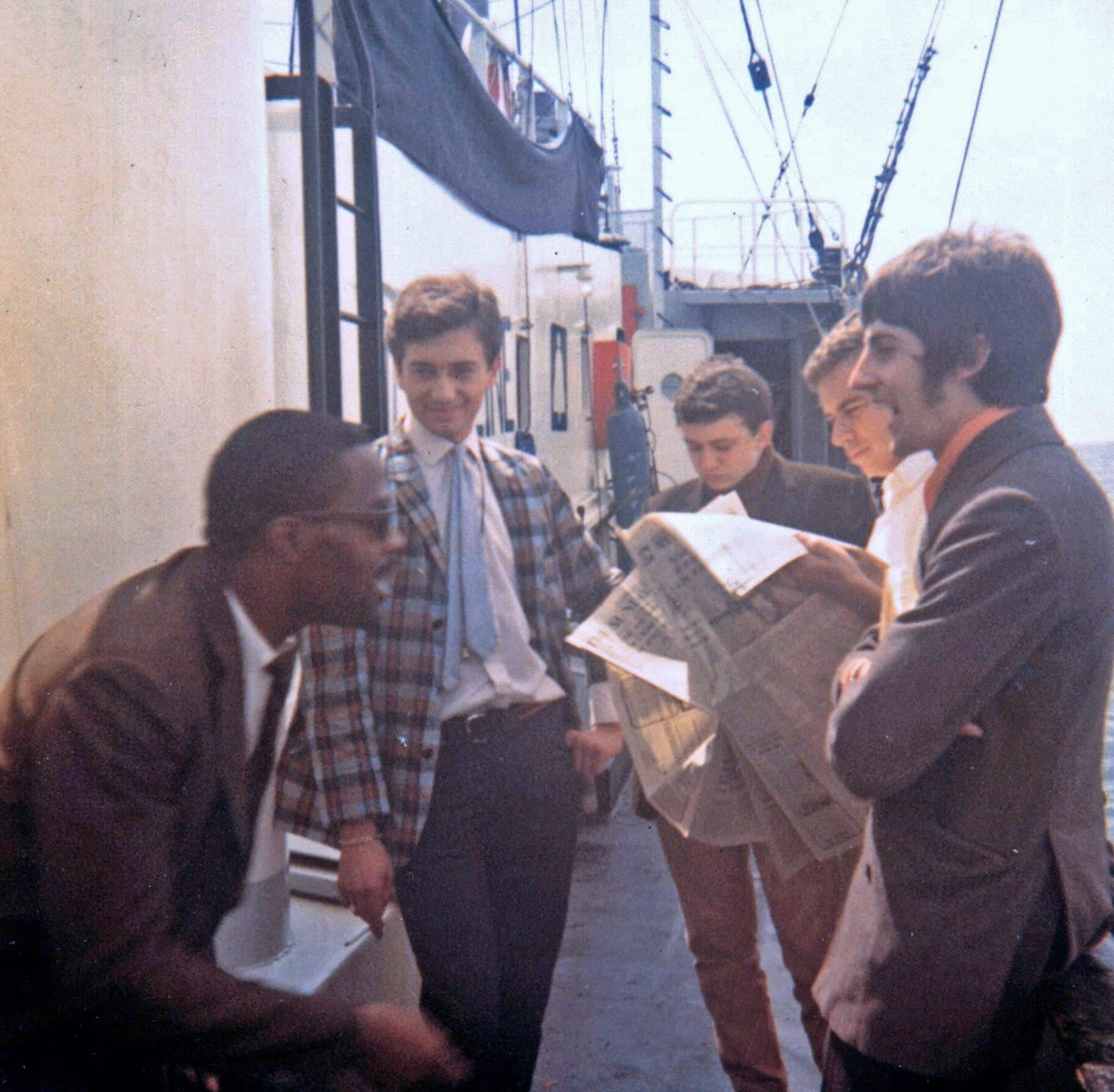
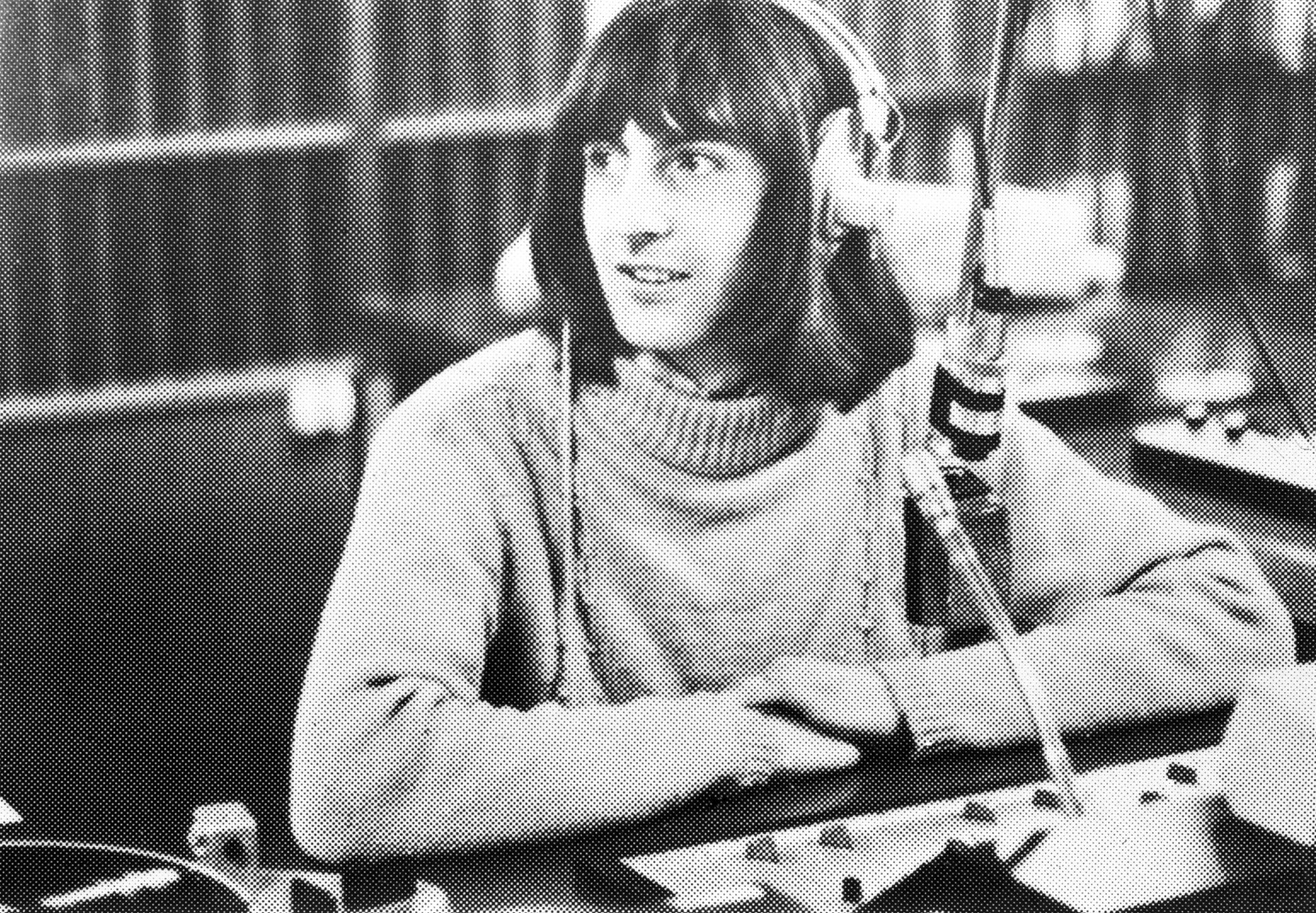

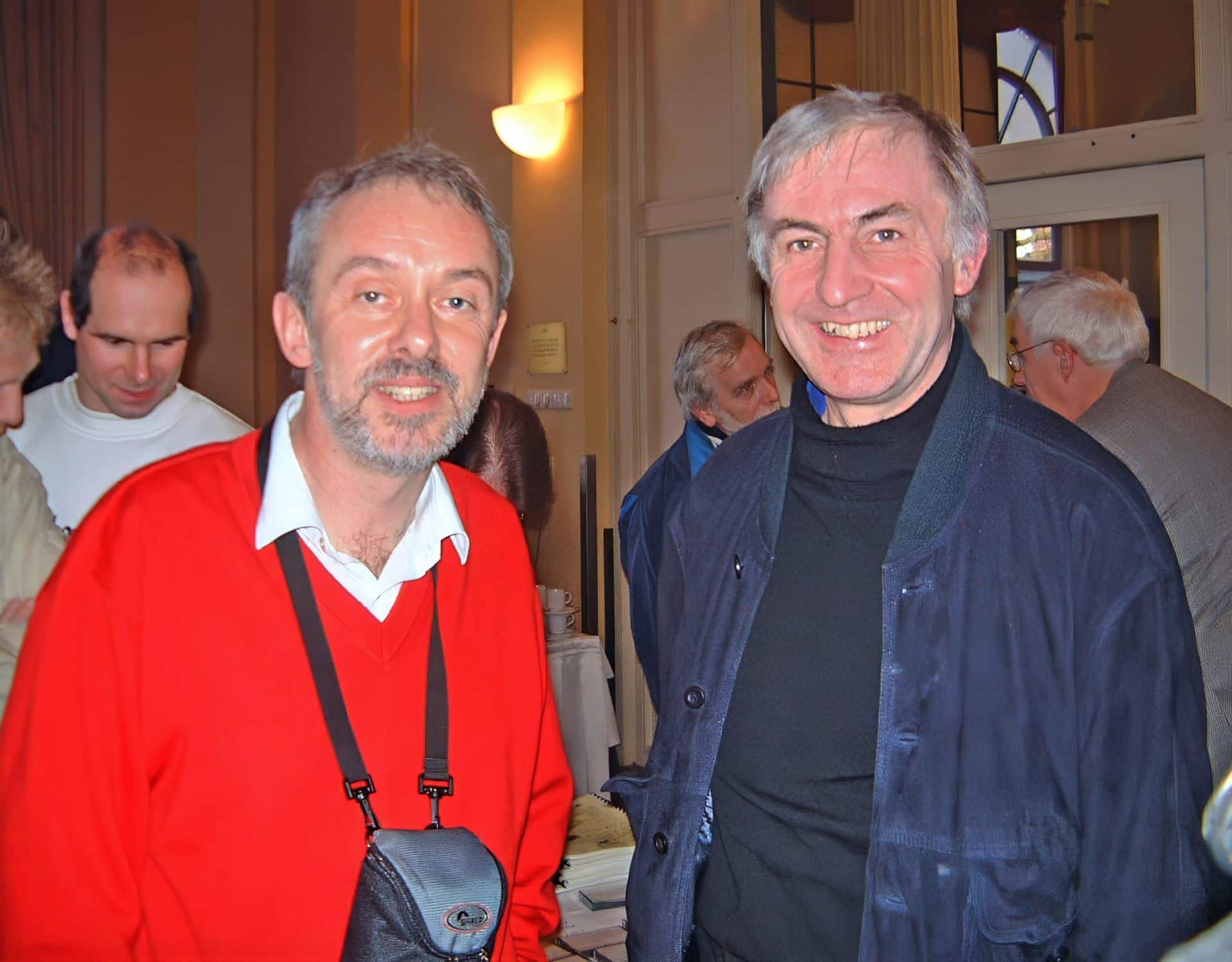
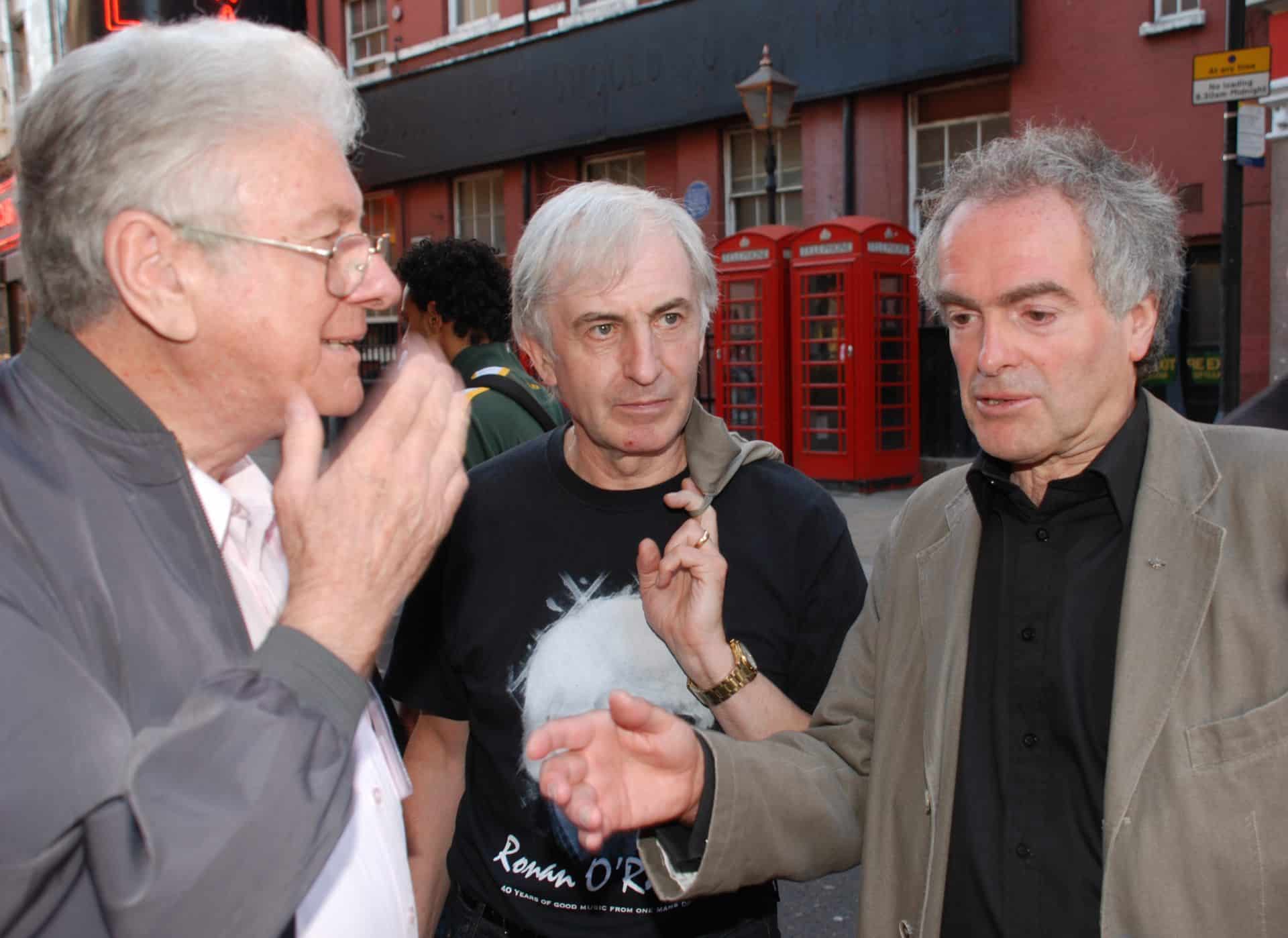

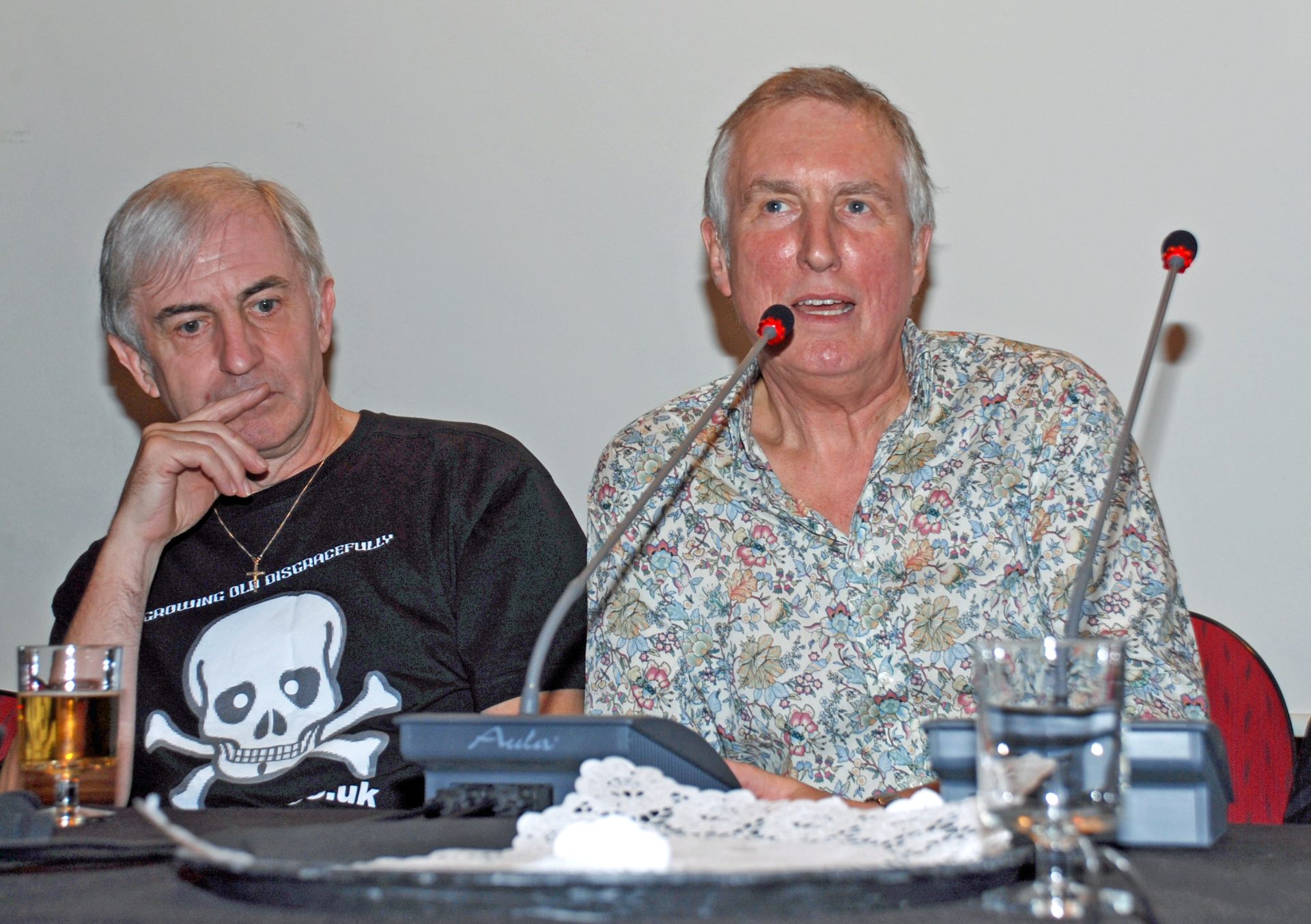

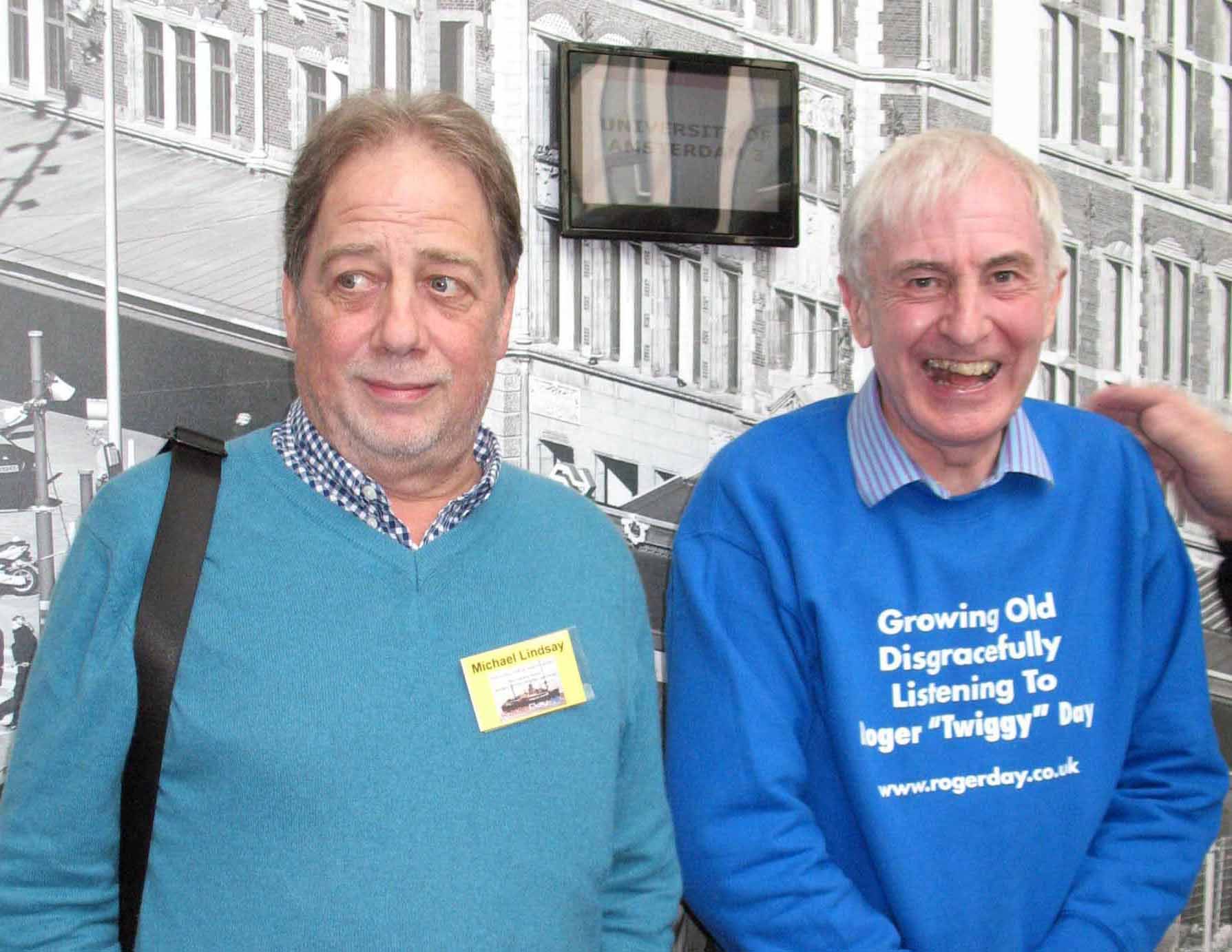
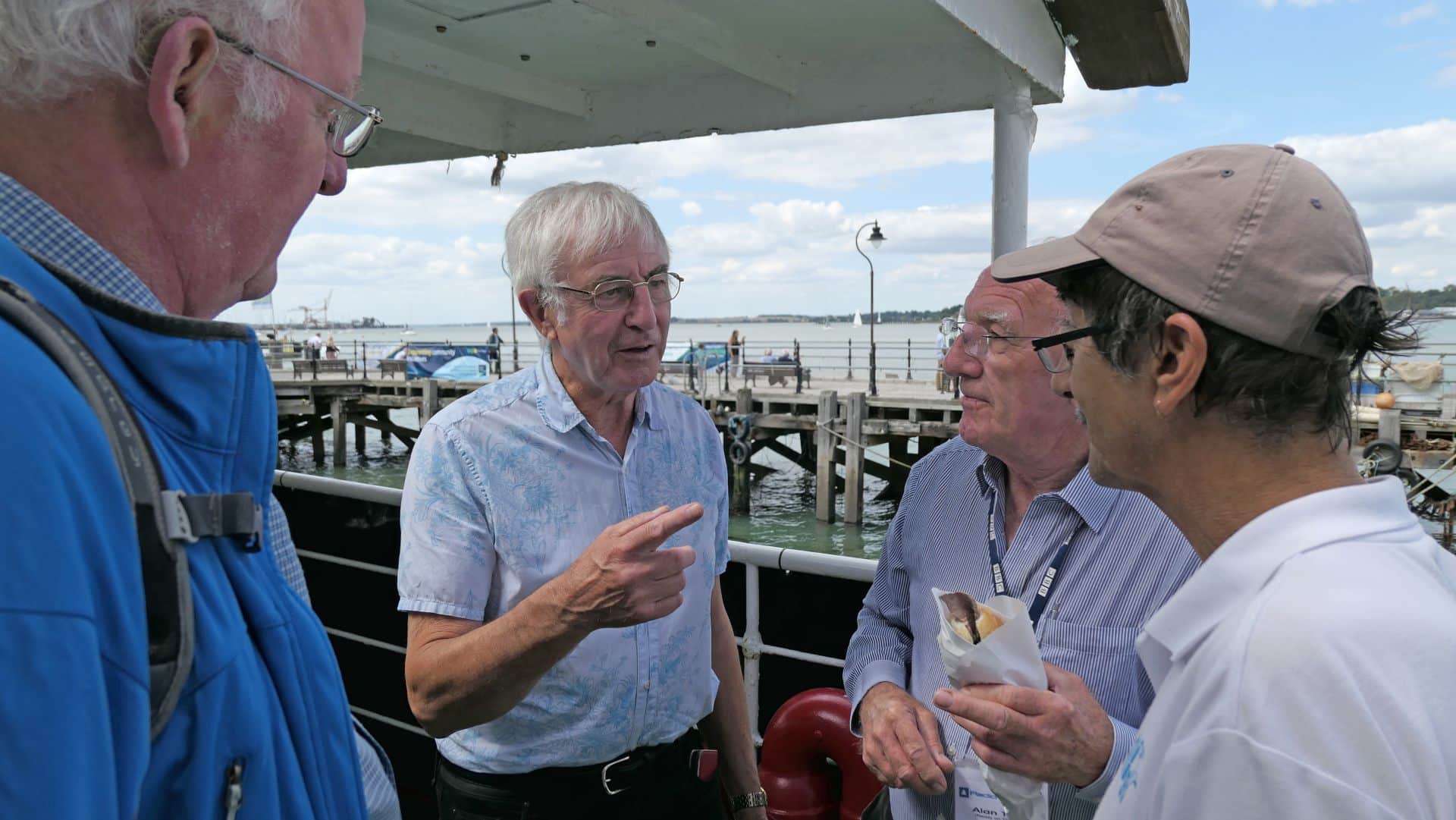
After Caroline, you joined Radio Luxembourg. A very bad time for you.
I hated it. I was glad to get the job. There was not much radio work around. They hired me, Tony Prince from the North ship and me from the South ship to improve their image. I thought great. They had got boring. Station of the stars, Jimmy Saville, right? All those great disc jockeys that had been there as well. Yes, I thought that it was a step up. Until I got there, I did not realise that they did not operate their own equipment. It was very staid. You used to go in in the afternoon to do paperwork. I did not like that. Go back in the evening. We did not operate our own controls. The engineer set the next record going. We just sat in a big room. I hated it. I loved Luxembourg, a lovely place but I just hated working on Radio Luxembourg. I got letters from people “Why don’t you sound like you did on Caroline?” I cannot really say. This is crazy. Then the Beach Boys tour came along which coincided with me being unhappy. I said to the boss. “I have been offered the job with Beach Boys on their European tour. I need a couple of weeks off.” He said “No, you cannot have a couple weeks off.” “Stuff you. I’m going.” That was it. I was the only one DJ to resign from Radio Luxembourg. All the others got the sack.
How did you know Mr. Bollier and Mr. Meister?
I went back to the clubs after the Beach Boys tour. There were many rumours of Caroline and offshore stations. I had been approached about most of them. There must have been at least ten. By 1969, I had enough of it. I saw this advert in Radio Mirror. It said English speaking DJs for international radio station. It did not say anything about a ship. I wrote in with an audition tape. The next day, I got a phone call. “We know about you. You are the person we are looking for. Come to Holland tomorrow.” “Why Holland?” “We have got a ship.” “I have been involved with this before, go to hell.” “No, no. It’s true we have a ship and we are ready to go.” “Okay. Send me the air fare and I will come out and see you.”
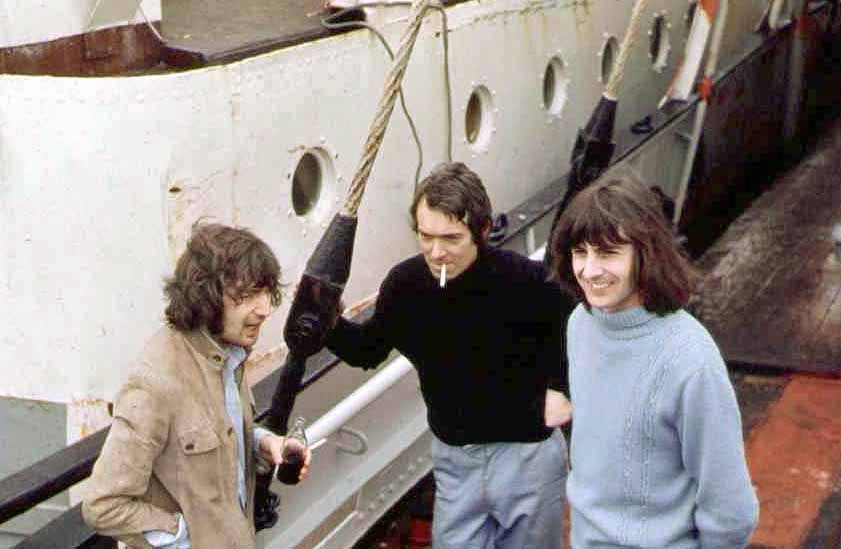
I went to Holland, met them at the Grand Hotel at Scheveningen. It was a misty day. They were talking about the ship. “Meet us by the quay in the morning.” Met them in the morning, Mebo I was there, bigger than the Mi Amigo. We sailed out. It was still a misty day. We sailed out. Passed the Radio Veronica ship. Passed the REM Island, which is still there. Then out of the mist came this psychedelic painted ship with this aerial on top. I said “Oh, you silly sods have actually done it. Okay, when do I start?” Need to tell the discotheques that I was working that I was not coming back. I went back to England. I recorded some test transmissions and went home for a few days. The new adventure started. I used to get phone calls. My voice was on there. I got calls “We heard you on Radio Nordsee.” “No, I’m not going through that again.” I went back and that was it.
Roger Day on 208 Radio Luxembourg 03-10-1968:
As a 14 year boy I listened to your opening programme which you did along with German colleague Horst Reiner. Please excuse me, but I found his style of presentation very amateurish. There were 3 German colleagues: Horst Reiner, Axel and Hannibal. Do you remember them?
I do. They were lovely fellas. New to radio, of course. They had never been German deejays of offshore stations. They did not have the basic skills. It did not last very long. We became more English, pretty quickly because they realised where the market was.
Roger Day on RNI 28-02-1970 Official Start along with Horst Reiner:
Roger Day on RNI 01-03-1970 Top 40 Show:
Did you second guess the decision to move from the Dutch coast and anchor the boat off England? Was it a good idea?
I was totally against it. I was off the ship at the time. We were getting interference from Morse code. All that was needed was a frequency change. I was at home in Margate. I got a phone call from someone. They had decided to move the ship to England. I thought it was a damn stupid idea. I had no idea what the Government would do. We are safe in Holland. Holland is friendly to us. Good attitude to offshore radio. Never going to do anything about it, I thought. But I thought that moving the ship to England would be like sticking two fingers to Government. What are you going to do? They started jamming. If we had stayed off Holland, it would have been much better. It was a stupid idea, and they did not ask me which annoyed me because I was Programme Controller. A couple of deejays onboard who persuaded them to do it. Go where Caroline had been. I did not think that it was a good idea. I was right.
You wanted to stay as „RNI“?
We changed that because the Government had been jamming us. Ronan had met Bollier and Meister and said Caroline still means something to the young people. You have the 18 years old voting for the first time in this election. Remember what Wilson had done to the offshore stations in ’67. That was because we began Caroline International. I did agree with that. I thought that it was a good idea. Caroline is the biggest radio name in the world. That’s why we changed. It did make a difference because the Conservatives won the election. We were going on air saying if you want commercial radio, vote Conservative. DJs should not get involved in politics but we were forced into it. We had to because they were jamming us. It was survival. The Labour party were not going to do anything. We had to say vote Conservative. That’s why I will never get an MBE.

What was the policy of the Conservative Party? Did they say leave the pirate alone?
They did not say that they would stop the jamming. We assumed that they would. They didn’t. They did say that they would introduce commercial radio. To be fair, for the first time ever, they did. A political party did keep its promise. When it started it was pretty dire, because of all the restrictions they had. I remember the first day of Capital Radio, I thought “Oh good God”.
1970 was the most fantastic time of RNI. Why did it not become a commercial success?
I don’t know. I guess the jamming did not help. There must have been international advertising. They did not have a sales team. I was never introduced to a Commercial Director. People would flood in without being asked. It was a shame because people were listening to us through the jamming. Like yourself. It infuriated me. How dare they jam a station? Even Lord Haw Haw, who broadcast Nazi propaganda, was not jammed from Luxembourg. Why were we being jammed? People say about Meister and Bollier being involved with the Stasi and the spy ship. It was a lot of nonsense. There were no rooms on that boat that I did not go into. There was nothing untoward going on. It was just a pop radio station. No propaganda going out. A lot of lies came out.
Roger Day on RNI 11-06-1970 0731-0800:
During the time of jamming, RNI got a new Programme Director from the USA, Larry Tremaine. How did you get along with him?
Well, figure this out. I was Programme Controller, he was Programme Director. That’s the same job, basically. As soon as I heard, I thought oh God. He was good at bull. I knew that he did not like me. He saw me as a threat. I went on holiday. He thought that my style was not slick enough for him. He thought that I should be like the Americans. So I came back from holiday. This is a classic. I phoned him up and said, “When am I going back? When is the tender leaving?” He said, “For you the tender is never leaving.”
That was the end of Radio Nordsee time. I hated him for a long time. I did meet up with him in LA. He admitted that he made mistakes. We did not kiss and make up, but we made up.
RNI came back in ’71. You never tried to go back.
I did, but they did not want to know. The copybook had been blotted. The acid ran deep. I do not know what was said but I would have loved to go back.
In 1973 we suddenly heard one single programme from Roger Twiggy Day back on Caroline on 389.
It was meant to be longer but soon after that I got the job on Piccadilly in Manchester. I was very excited as I sounded there. Caroline has always been special.
Roger Day on Caroline 389 25-06-1073 0730-0900:
You have had a very impressive career working on countless commercial stations: Piccadilly, BRMB, Invicta, Leicester, Super Gold, Amber, County Sound, Pirate FM, Jazz FM, Fusion and Saga. Which was the most successful one for you?
Well, Invicta Radio in Kent was the most successful. Big audience, big listeners. Piccadilly in Manchester, joint, I suppose. I loved Piccadilly in Manchester. Run by Phil Birch of Radio London. We were like a pirate on land. The IBA had strict rules. We in Manchester just ignored them. Played records we shouldn’t have done. It was fun. I loved living in Manchester. It was a fun time. Invicta — I always dreamed of running a radio station in my own patch. It was glorious. I loved it. They were the highlights. I have enjoyed all the stations. It was good stuff. Pirate BBC Essex — that was fun.
Why did it take so long to end up with the BBC? Many colleagues in ’67 went to Radio 1.
I never applied to the BBC. Because I always thought that they were the enemy. They did collude with the Government to stop Caroline. It was political. They did not want to run Radio 1. They did not want pop music. They were the enemy as far as I was concerned. I never did apply to them. Basically I ran out of radio stations. I had to eat humble pie. The bloke at Radio Kent approached me and said, will you do the evening show? You can play what you want. I did the same old stuff that I always did. I loved every minute of it. It’s a shame that my parents were not around. They would have loved their boy on the BBC after years of being the naughty boy.
At the moment [in October 2017] you have a weekly show.
The evening show stopped because they did a national show to save money. I just do Saturday night, a 60s and 70s retro chat show. I do not like it as much as I was doing because there was no free choice. I’m a free-choice DJ. That’s the way it ought to be. I do not like playlists. I like to go to the studio and play what I want. That is why radio is so boring nowadays. They have a playlist and they do not have any say in it.
What do you think of the current version of Radio Caroline on the internet?
If they put this out on AM it will fail miserably. It’s not good enough to be on AM. People will listen to anything. That is why they listen on the internet — because it’s fulfilling what they do not get on normal radio. Normal radio on DAB/AM/FM in England, it’s dire. It’s boring, there’s no personality. The same songs over and over. The place I go to lunch regularly, they played the same records in the same order each day. It’s incredibly dull.
Same as playing the album version on the hour?
They need to become a little bit more commercial. It’s a happy balance to be met. It’s kept them going all these years. That’s good. You only get one opportunity on radio. There are a lot of people who did not know that Caroline is still going. They will tune to AM to give it a listen. If they do not like it, they will only give it one chance. They will not be back. That’s sad, because it’s on AM. All these years we have been campaigning for it. No one agrees with me on that.
In 2017 you are keeping on „growing old disgracefully“. You have your own internet radio site “Uncool Radio”. Tell us more about it.
When the BBC stopped the evening show, I said on the air, “It might be the end of the show here but listen on the internet.” I did not know how to do it. A friend of mine, Terry Purvis, said “I can do this.” He set it up. I send him a file every day and he puts it on there. I thought that it would last a couple of weeks but the people have responded. There is not a lot of money in it. They do not have to pay to listen. I am grateful for the people who do. People send me a fiver a month. It keeps me going. I record it in my studio at home. It was good fun doing it. It’s the same old rubbish but people seem to like it.
Talking of money, I wondered — if we had known on Caroline that we were in trouble, we could have gone on air and said “Look, your favourite station is in a bit of trouble. Every listener send in a pound.” We had millions of listeners. That would have saved the station. We should have done that.
I am going to do this network show. Because Brian Matthews used to do a Sounds of the 60s show on Saturday morning. They were dumping it anyway; he died anyway. It was a great show. They moved it to 6 o’clock with Tony. It’s great, but it’s too early. I spotted a gap there. I now do a network show — 30 stations in the UK, 10 stations across Europe. I am trying to get a sponsor. I will do it anyway. The internet has been my saviour. The internet is the new pirate radio, I am sure of it. People hear it on the internet.
Now to the 1980s, when Caroline came back and Laser came up, then the BBC was not the enemy. Local commercial radio was more the competition because there was good Top 40 radio then.

When Laser and Caroline came back, I could not believe it. I had heard the rumours. Like the RNI thing. The silly sods have done it. I was glad to hear it. Part of me thought I really wanted to be out there. My wife of course said “Who’s going to pay the mortgage?” I was just starting Invicta Radio then. No one was listening to us; they were all listening to the ships.
I do not think that I have told anyone this before — I was saving it up for the book, which I must get around to writing. Because I was Programme Controller of Invicta, I was invited to the IBA or Radio Authority. It was unusual. All the Managing Directors of South East radio stations were in the room — and me. I thought, why am I there?
Then I found out. I saw the agenda — it said Laser Radio and Caroline and any other business. That’s why I’m here. They were all suffering. Laser was not new. Radio England was doing that in ’66. They said, “Roger, you’ve been invited here because you used to be on the offshore stations. We want to know what to do about Caroline and Laser. Could we cut off supplies?” I said, “You could do that. The best way of beating them is to be as good as them. Be better than them. They do not have the needle-time restrictions that we have. The worthy stuff, Mothers’ Union meetings. You’ve got to fight them the only way they know how — by being better than them.”
Soon after that the Musicians’ Union stopped the ban on needle time. For a while local commercial radio sounded good. I am embarrassed because I loved those stations. Just let them get on with it. They are only there because we are not fulfilling what the listeners want. No one forced anyone to listen to a radio station. So I was appalled that they asked me.
I remember going to the head of the IBA when Laser first started — Peter Baldwin, an old military man who ran radio in those days. “What do you think of Laser?” “It’s bloody fantastic. We should be doing that.” This was before the meeting. He leaned back and punched the radio, and he had Laser on. They improved it for a while. Unfortunately it has become the monster it is today. The ’80s — good times. The rebirth of offshore radio. Fabulous. I loved it. I wanted to be part of it.
Pirate BBC Essex was mentioned before. Can you tell us a bit more?
It’s amazing that all the anniversaries of offshore stations — 50 years of 1964, 50 years of MOA — commercial radio in England has ignored it. But without that, there would not have been commercial radio. So shame on them. Who should do it but the old enemy — the BBC. They have done the best tributes.
Pirate BBC Essex — I have loved every minute. There’s something magic about broadcasting from a ship. There is more fun, some magic about broadcasting from a boat. Whether it’s sticking two fingers up to the authorities, I don’t know. It installs the rebel in you. You cannot replicate it on land. It’s more fun.
In 50 years’ time no one will say that Heart was a great station, but 50 years on for Caroline — that funny little boat started it. Still people come up and ask “Don’t you get fed up?” It was a special part of life. I hate anyone who puts it down. It’s like crapping on your parents. It’s special and always will be until the day I die. I will always be grateful. It was a dream come true. For me it still is. I’m still living it. Thanks to the BBC. I never thought that I would say that.
Final question. How come you adore the Beach Boys?
It was Ready Steady Go, the famous English TV programme. I had heard their music before. Cathy McGowan said, “From America, we have the Beach Boys.” Everyone else mimed on Ready Steady Go — the Beach Boys played live. That impressed me. My love for the Beach Boys was born. They played “California Girls.” They have been my favourite group ever since. I like other groups — lots of groups and artists — but it’s always the Beach Boys. Brian Wilson nowadays with his new band, they are better than the Beach Boys. It’s great to see him still going.
Interview by Martin van der Ven, transcribed by David Burton for Offshore Echo’s Magazine.